
 EN
EN
 AR
AR
 BG
BG
 HR
HR
 CS
CS
 DA
DA
 NL
NL
 FI
FI
 FR
FR
 DE
DE
 EL
EL
 HI
HI
 IT
IT
 JA
JA
 KO
KO
 PL
PL
 PT
PT
 RO
RO
 RU
RU
 ES
ES
 SV
SV
 ID
ID
 UK
UK
 ET
ET
 GL
GL
 HU
HU
 MT
MT
 TR
TR
 FA
FA
 AF
AF
 GA
GA
 HY
HY
 AZ
AZ
 KA
KA
 UR
UR
 BN
BN
 LA
LA
 UZ
UZ
 KU
KU
 KY
KY
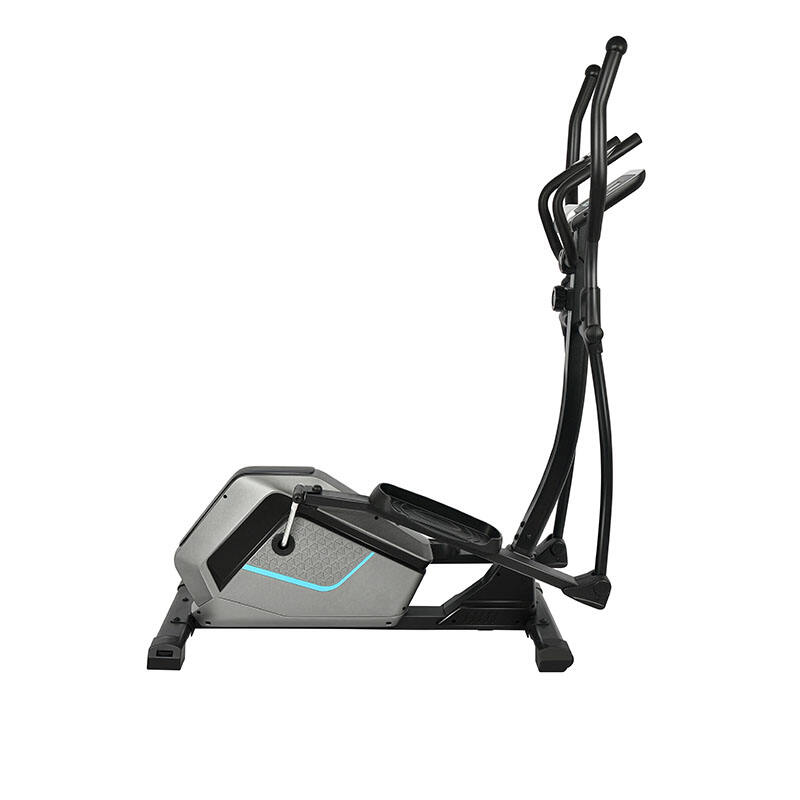
Protecting Joint Health While Staying Active with Exercise Bikes
Why exercise bikes are ideal for people with arthritis or mobility limitations
People with arthritis or those who find movement difficult often benefit greatly from exercise bikes since they provide gentle cardio without putting too much strain on the body. Running and other similar activities can be tough on the knees and hips, but cycling puts far less pressure on these areas while still getting the heart rate up. According to a study featured in Bicycling magazine, regular cyclists reported about 37% less pain from osteoarthritis than folks doing more intense workouts. The reason? That smooth spinning action helps keep joints lubricated naturally without causing extra inflammation, which makes all the difference for many people struggling with joint issues.
Reducing joint pain through controlled, low-impact movement
Stationary cycling works well for building strength around important joints such as knees and hips without putting too much pressure on these areas. Studies indicate that regular pedaling can cut down knee pain by about 42 percent among those dealing with moderate osteoarthritis according to research from SF HealthTech last year. The ability to adjust resistance levels lets riders progress at their own pace over time. Recumbent bikes offer extra support for hips thanks to specially designed seats that take some of the load off, making workouts feel less stressful overall.
Case study: Improved mobility in arthritis patients using stationary bike routines
A 12-week clinical trial involving rheumatoid arthritis patients revealed significant functional improvements:
- 58% reported reduced morning stiffness
- 33% increased walking distance during 6-minute walk tests
- 72% maintained consistent workout adherence due to decreased pain
Participants completed 25-minute sessions on recumbent bikes at 60–70% of maximum heart rate, demonstrating that structured, low-impact cycling enhances mobility without worsening symptoms.
How exercise bikes provide effective workouts without compromising joint safety
Today's exercise bikes come equipped with features designed to protect joints, including those shock absorbing pedals we all love and systems that monitor torque in real time. The resistance settings are programmed so they don't push too hard on sensitive areas, which is something regular free weights just can't do. When it comes to burning calories, heart rate controlled intervals work wonders, but here's what's interesting: studies show these workouts put about 63 percent less stress on our knees compared to plain old jogging. That means people can get their cardio fix without risking injury down the road.
Improving Cardiovascular Fitness with Consistent Exercise Bike Use
Cardiovascular Health Benefits Supported by Clinical Evidence
Studies show that riding a stationary bike can increase aerobic capacity somewhere between 12% and maybe as much as 18% for people who don't exercise much after about three months according to research from SF HealthTech last year. Looking at data from twelve separate studies published in 2023, researchers noticed that folks who stuck with it regularly saw their resting heart rates drop anywhere from eight to eleven beats per minute. That kind of change is pretty telling when it comes to how well the heart is working. What makes this form of exercise work so well for different people is the fact that most machines let them gradually crank up the resistance as they get stronger. This means anyone from beginners to those dealing with long term health issues can still benefit from consistent cardiovascular workouts without feeling overwhelmed right away.
Heart Health Improvements Through Regular Stationary Cycling
People who get on their bikes for aerobic cycling about four to five days a week tend to see their cardiac output improve by around 15 to 20 percent according to major research on heart health. Regular cycling not only cuts down on bad LDL cholesterol buildup but also keeps blood pressure at healthier levels, which acts as protection against artery hardening. Those clocking in roughly 150 minutes of cycling each week face about 27 percent less chance of developing coronary artery problems than folks whose exercise routines are hit or miss. Makes sense why so many doctors recommend getting out there on two wheels regularly.
Designing Effective Routines to Boost Endurance and Circulation
An optimal cardiovascular routine combines:
- Interval sessions: Alternate 2-minute high-resistance sprints with 3-minute recovery phases
- Steady-state rides: Maintain 60–70% of max heart rate for 30+ minutes
- Cross-training integration: Complement cycling with resistance training 3x weekly
This approach increases VO₂ max by 19% within 8 weeks and enhances capillary density, improving oxygen delivery to tissues (American College of Sports Medicine 2022).
Exercise Bikes in Injury Recovery and Active Rest Strategies
Using Recovery Rides to Promote Healing Post-Injury
Exercise bikes give riders real control over how hard they work out, which makes these machines pretty important for people recovering after injuries. According to a study published last year, athletes who added some gentle spinning sessions to their routine bounced back from muscle strains and ligament issues about 22 percent quicker compared to folks who just took it easy and rested completely. The smooth pedaling action keeps blood pumping to damaged tissues without putting extra stress on joints, something that researchers looking at body mechanics have confirmed recently. Most rehab centers now include stationary bikes as part of standard recovery protocols for this very reason.
Incorporating Active Rest into Training Cycles With Low-Impact Cardio
Active rest using exercise bikes is increasingly recommended by training professionals to balance recovery with metabolic conditioning. Short 15–20 minute rides at 40–50% of max heart rate help clear lactic acid from fatigued muscles while preserving aerobic fitness. Studies show this strategy reduces post-exercise fatigue by 31% compared to complete inactivity.
Minimizing Injury Risk While Maintaining Fitness on Stationary Bikes
Key safety features of modern exercise bikes include:
- Adjustable resistance: Allows gradual strength rebuilding without sudden load spikes
- Ergonomic setups: Proper seat and handlebar alignment prevents compensatory movements
- Real-time feedback: Cadence and heart rate monitoring help avoid overexertion
Patients in knee rehabilitation programs using recumbent bikes report 67% fewer pain flare-ups than those using treadmills, highlighting their protective advantages.
Who Benefits Most from Low-Impact Exercise Bike Workouts?
Older Adults: Safe Cardiovascular Training with Joint Protection
Exercise bikes can be great for older adults who want to keep their hearts healthy without putting too much stress on their joints. According to research published in the Journal of Aging Studies back in 2022, cycling reduces about 80 percent of the impact that walking puts on knee joints. That's why so many therapists recommend them these days. The adjustable resistance settings plus the supportive seating position make stationary bikes popular among rehabilitation centers too - around three out of four facilities use them for elderly patients. For folks dealing with arthritis issues or having trouble maintaining balance, recumbent bikes tend to work best since they provide extra back support while pedaling.
Pregnant Women and Overweight Individuals: Effective, Safe Exercise Options
Pregnant women can keep their heart rate up without putting pressure on their pelvic floor when they go for low impact cycling sessions. Research published last year in maternal health journals showed that this type of exercise cut down the chances of developing high blood pressure during pregnancy by around 34 percent compared to activities that put more weight through the joints. People who are carrying extra weight often find regular bikes with wider saddles and properly adjusted handlebars much easier on the body too. Studies from obesity management experts indicate these modified bikes can make workout sessions feel about 40% less taxing than pounding away on treadmills for similar calorie burn results.
Athletes: Cross-Training with Reduced Joint Strain Using Exercise Bikes
Most endurance athletes turn to stationary bikes during about three quarters of their recovery time because it's gentler on the joints than other forms of exercise. When they cycle around 55 to 65 percent of their maximum heart rate, this helps maintain their aerobic fitness without causing too much strain on tendons and ligaments. For runners and soccer players specifically, spinning at higher cadences over 90 revolutions per minute actually improves how efficiently they pedal, which translates well back onto the track or field. Plus, there's no risk of developing those annoying shin splints that often come from pounding pavement day after day.
Maximizing Results Across User Groups Through Tailored Low-Impact Routines
Customized programs improve outcomes and adherence:
- Seniors: 20-minute sessions with 10 resistance intervals (50–70 RPM)
- Rehab patients: 15° incline climbs to build quad strength without knee compression
- Athletes: 30-second sprint intervals (120+ RPM) for power development
Data from the 2024 Low-Impact Fitness Report indicates personalized routines increase program adherence by 63% versus generic plans. Experts recommend combining these workouts with hydration tracking and heart rate monitoring to ensure safety and effectiveness across all populations.
FAQ
Are exercise bikes suitable for people with arthritis?
Yes, exercise bikes are excellent for people with arthritis because they provide a low-impact, controlled, and gentle cardio workout, which helps reduce joint pain without causing further inflammation.
Can exercise bikes improve cardiovascular fitness?
Absolutely! Consistent use of exercise bikes can improve cardiovascular fitness by increasing aerobic capacity, reducing resting heart rates, and lowering the chances of developing heart-related conditions.
How do exercise bikes aid in injury recovery?
Exercise bikes are beneficial in injury recovery as they allow controlled, low-impact activities that promote healing, maintain fitness, and reduce recovery time by increasing blood circulation without stressing the joints.
Who should consider using exercise bikes?
Exercise bikes are ideal for older adults, pregnant women, individuals with weight management goals, rehabilitation patients, and athletes looking for safe, low-impact workout options.
Table of Contents
-
Protecting Joint Health While Staying Active with Exercise Bikes
- Why exercise bikes are ideal for people with arthritis or mobility limitations
- Reducing joint pain through controlled, low-impact movement
- Case study: Improved mobility in arthritis patients using stationary bike routines
- How exercise bikes provide effective workouts without compromising joint safety
- Improving Cardiovascular Fitness with Consistent Exercise Bike Use
- Exercise Bikes in Injury Recovery and Active Rest Strategies
- Who Benefits Most from Low-Impact Exercise Bike Workouts?
- FAQ