
 EN
EN
 AR
AR
 BG
BG
 HR
HR
 CS
CS
 DA
DA
 NL
NL
 FI
FI
 FR
FR
 DE
DE
 EL
EL
 HI
HI
 IT
IT
 JA
JA
 KO
KO
 PL
PL
 PT
PT
 RO
RO
 RU
RU
 ES
ES
 SV
SV
 ID
ID
 UK
UK
 ET
ET
 GL
GL
 HU
HU
 MT
MT
 TR
TR
 FA
FA
 AF
AF
 GA
GA
 HY
HY
 AZ
AZ
 KA
KA
 UR
UR
 BN
BN
 LA
LA
 UZ
UZ
 KU
KU
 KY
KY
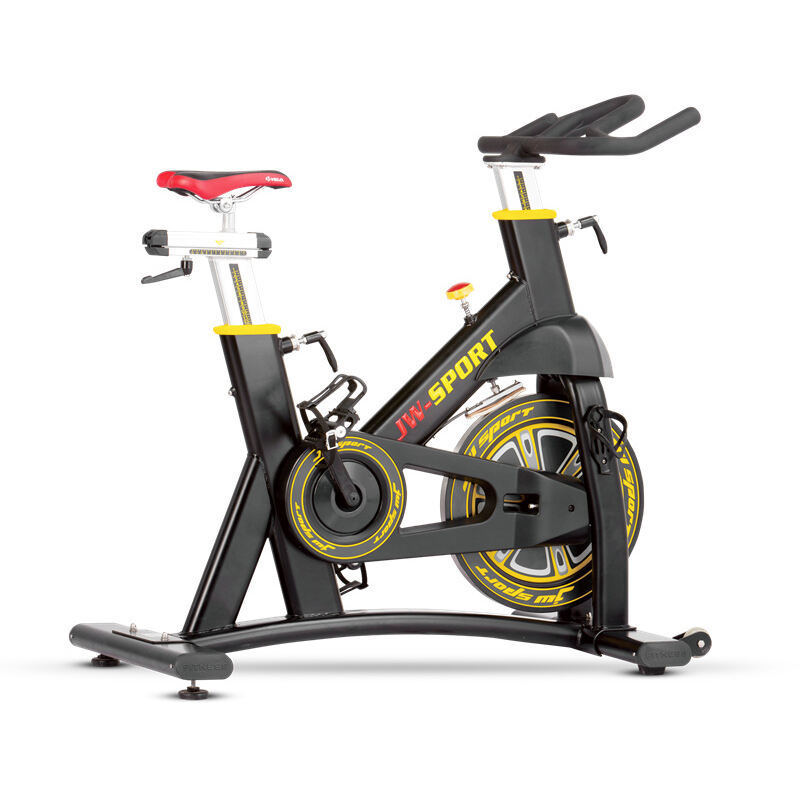
Core Design and Functional Differences Between Indoor Bike and Spin Bike
Structural design: Upright vs aggressive riding position
Regular indoor bikes focus on comfort thanks to their upright seating position and multiple grip options on the handlebars, which makes them great for long sessions of steady cardio work. Spin bikes are different though they have that leaning forward position where the handlebars sit around 8 to 12 inches lower than the seat. This setup actually feels closer to what happens when riding outdoors, works those core muscles more, and allows riders to do intense moves such as standing sprints without falling over. The way these bikes are designed really ramps up how hard people can push during workouts, especially good for those doing HIIT style training. Most cyclists who've tried both types will tell anyone that this kind of bike just gets the heart rate up faster and keeps it there longer.
Understanding Spinning® as a branded subset of indoor cycling
Spinning® is a trademarked fitness program with strict equipment standards, including 40-pound flywheels and micro-adjustable components. Representing 18% of commercial studio bikes (IHRSA 2023), these bikes deliver superior cadence responsiveness and power transfer efficiency compared to generic indoor cycles, offering measurable biomechanical advantages.
Indoor cycling as a broad category encompassing various bike types
The indoor cycling market includes three main types:
- Upright bikes with magnetic resistance (65% market share)
- Recumbent models for users with mobility limitations
- Hybrid bikes combining spin-like frames with digital consoles
This variety accommodates diverse fitness levels and enables training across heart rate zones from 50–90% of maximum capacity.
Common misconceptions about indoor bikes and spin bikes
According to research from the American College of Sports Medicine in 2023, there really isn't much difference in calories burned between spinning on those specialized bikes versus regular indoor cycling machines if people work out at similar intensities. What makes them different? Functionality mostly. Spin bikes are built for standing climbs and sprint intervals because they have sturdy frames and heavy flywheels that keep momentum going. Most standard indoor bikes just aren't made for this kind of movement though. Around 8 out of 10 don't have the structural strength needed for those kinds of dynamic exercises.
Flywheel Weight and Resistance Mechanisms Compared
How Flywheel Dynamics Influence Ride Feel and Stability
The weight of a flywheel really makes a difference when it comes to how good the ride feels and how stable everything stays. Most spin bikes these days have pretty heavy flywheels around 30 to 40 pounds. These heavier ones keep going longer after each pedal push, giving that nice smooth feel similar to riding outdoors on real roads. A recent study from 2024 looking at indoor cycling found something interesting too. People who rode bikes with flywheels over 40 pounds felt about 28 percent steadier when they stood up for those tough climb segments. That means less stress on their joints overall and better balance throughout the workout session.
Friction vs Magnetic Resistance in Indoor vs Spin Bikes
Two resistance systems dominate the market:
- Friction resistance, common in traditional spin bikes, uses brake pads against the flywheel to simulate real-world resistance. While authentic, it requires quarterly pad replacements.
- Magnetic resistance, standard in most indoor bikes, operates silently and maintains 94% calibration accuracy after 500+ hours—significantly outperforming friction systems, which retain only 67% accuracy over the same period (2025 Fitness Engineering Report).
Impact of Flywheel Weight on Workout Intensity and Realism
Heavier flywheels (18–22 kg) sustain momentum through interval transitions, making them ideal for HIIT and realistic road cycling simulation. Lighter flywheels (8–12 kg), typical in basic indoor bikes, are better suited for consistent, low-impact cardio. Professional cycling programs exclusively use bikes with 24+ kg flywheels to replicate peloton-level inertia and resistance curves.
Workout Performance: Intensity, Training Modes, and Fitness Goals
HIIT, endurance, and interval training effectiveness by bike type
Spin bikes work really well for HIIT workouts because they have those heavy flywheels plus quick resistance adjustments. This lets riders do those sprint and recovery intervals just like what happens in actual spin class settings. Some studies indicate that doing HIIT on a spin bike burns about 30 percent more calories compared to regular cycling over the same amount of time according to Times of India back in 2025. On the other hand, most indoor bikes come with lighter flywheels ranging from around 15 to 30 pounds and offer smoother resistance changes. These features make them better suited for longer endurance sessions where someone wants to maintain around 60 to 70 percent of their maximum heart rate. That sweet spot is actually pretty good for burning fat during workouts.
Typical workouts supported: studio-style spinning vs steady-state cardio
Studio-style spinning involves variable cadence, simulated terrain, and dynamic movements like 45-second hill climbs followed by seated recovery. Indoor bikes favor steady-state cardio with consistent resistance, often enhanced by quiet magnetic systems suitable for long-duration, low-disturbance workouts.
How each bike aligns with specific fitness objectives
Spin bikes are great for people who want to boost their anaerobic power and see real performance improvements, whereas indoor bikes tend to work better for folks looking at building aerobic endurance or recovering from injuries. Some recent studies on workout customization showed pretty interesting results too. Around 78 percent of people riding spin bikes hit their HIIT targets quicker than the 64 percent mark seen among regular indoor bike riders. When it comes to burning calories, spin bikes typically clock in somewhere between 550 to maybe even 800 kcal per hour when pushed hard, while indoor bikes usually manage around 450 to 600 kcal an hour during those longer, steady rides without all the intense bursts.
Ergonomics, Adjustability, and User Experience by Fitness Level
Seat and Handlebar Adjustability for Diverse Body Types
Most indoor cycling machines come with around 8 to 12 different settings for adjusting seat height, seat depth, and where the handlebars sit. These adjustments work well for people ranging from about 4 feet 11 inches all the way up to 6 feet 7 inches tall according to some recent studies on bike ergonomics from 2024. Spin bikes tend to have fewer options though, usually between 4 and 6 adjustment points total. They keep the handlebars at fixed angles since this helps maintain stability when riders stand up during intense sprints or climbs. Another feature found on many indoor models is multiple grip positions on the handlebars. This lets cyclists switch between sitting upright, leaning forward slightly, or getting into a more aggressive racing position depending on what kind of workout they want.
Comfort and Posture Support: Beginner-Friendly vs Advanced Setups
Indoor bikes feature wider, orthopedic seats with 30% more padding, promoting comfort during longer sessions. Spin bikes use narrow, competition-style saddles and rigid pedals preferred by experienced riders. Biomechanics research confirms that equipment supporting natural movement patterns reduces injury risk by 40% among beginners.
Ideal Use Cases Based on User Experience and Physical Needs
People dealing with joint pain or mobility problems often find relief using recumbent style indoor bikes since they provide good back support and put less stress on the body. For those looking for serious workouts similar to what happens in spin studios, traditional spin bikes are better suited. These machines typically have fixed gears and much heavier flywheels weighing around 18 to 22 kilograms compared to regular indoor bikes which usually range from 12 to 15 kg. Interestingly enough, recent surveys show that nearly seven out of ten physical therapy clinics prefer adjustable indoor bikes when designing their rehabilitation programs. This makes sense considering how important customization is during recovery periods.
Technology, Cost, and Value Comparison: Making the Right Choice
Console Features, Performance Metrics, and Data Tracking Capabilities
The tech features on indoor bikes really differ across price points. At the lower end, most just show simple stuff like how fast someone's pedaling and total distance covered. But when we get to high-end spin bikes, they start tracking all sorts of detailed info including cadence rates, where the rider falls within different heart rate zones, and even measure power output specifically in watts. Many mid priced options now come equipped with either ANT+ or Bluetooth capabilities too. This lets them hook up seamlessly with popular apps such as Zwift or Peloton so users can see their performance stats live during workouts. Some people find this kind of feedback invaluable for tracking progress over time.
App Integration and Digital Coaching Compatibility
When it comes to connected workout gear, spin bikes really stand out because they come packed with all sorts of digital bells and whistles. These machines let riders join live classes from anywhere, track their performance against others in real time through leaderboards, and even take virtual rides that make them feel like they're actually at a fancy fitness studio. On the other hand, regular indoor bikes tend to be more adaptable since they work with different platforms. People who mix cycling with strength training or yoga especially appreciate this flexibility. According to a recent study done last year, around two thirds of those multi sport enthusiasts want their fitness data to sync smoothly between various apps without any hiccups. Makes sense when you think about how frustrating it can get trying to piece together progress from multiple sources.
Price Range Analysis: Entry-Level to Premium Models
- Entry-level indoor bikes: $300–$600, with manual resistance and basic consoles
- Commercial-grade spin bikes: $1,200–$3,500, featuring electromagnetic resistance and HD touchscreens
Industry analysis shows mid-range models ($800–$1,200) offer the best balance of durability and technology, providing essential features without the premium cost of studio-grade systems.
Long-Term Value: Pros and Cons of Indoor Bikes vs Spin Bikes
Most indoor bikes don't need much maintenance since they have simpler resistance systems, costing around fifty bucks a year to keep running smoothly compared to magnetic resistance spin bikes which can eat up $150 or more annually. Spin bikes hold their value better though, studies show they tend to lose only 30 to 40 percent of their worth after five years on the market. When it comes to warranties, spin bikes usually come with three year coverage while many regular indoor bikes only offer one or two years protection. These factors really matter when thinking about what something will actually cost over time.
FAQ
-
What is the main difference between indoor bikes and spin bikes?
Indoor bikes focus on comfort with an upright seating position, while spin bikes have a more aggressive riding position similar to outdoor cycling.
-
Are spin bikes better for HIIT workouts?
Yes, spin bikes are well-suited for HIIT due to their heavier flywheels and quick resistance adjustments.
-
How do flywheels affect the cycling experience?
Heavier flywheels offer smoother, more stable rides by maintaining momentum throughout interval transitions.
-
What type of bike is recommended for beginners?
Indoor bikes are beginner-friendly due to more comfortable seating and adjustable features.
-
Do indoor bikes offer better value compared to spin bikes?
Indoor bikes require less maintenance and offer flexibility in app integration, making them a cost-effective choice.
-
Which bike offers more advanced technology?
Spin bikes tend to offer more advanced consoles with detailed metrics and digital coaching capabilities.
Table of Contents
- Core Design and Functional Differences Between Indoor Bike and Spin Bike
- Flywheel Weight and Resistance Mechanisms Compared
- Workout Performance: Intensity, Training Modes, and Fitness Goals
- Ergonomics, Adjustability, and User Experience by Fitness Level
- Seat and Handlebar Adjustability for Diverse Body Types
- Comfort and Posture Support: Beginner-Friendly vs Advanced Setups
- Ideal Use Cases Based on User Experience and Physical Needs
- Technology, Cost, and Value Comparison: Making the Right Choice