
 EN
EN
 AR
AR
 BG
BG
 HR
HR
 CS
CS
 DA
DA
 NL
NL
 FI
FI
 FR
FR
 DE
DE
 EL
EL
 HI
HI
 IT
IT
 JA
JA
 KO
KO
 PL
PL
 PT
PT
 RO
RO
 RU
RU
 ES
ES
 SV
SV
 ID
ID
 UK
UK
 ET
ET
 GL
GL
 HU
HU
 MT
MT
 TR
TR
 FA
FA
 AF
AF
 GA
GA
 HY
HY
 AZ
AZ
 KA
KA
 UR
UR
 BN
BN
 LA
LA
 UZ
UZ
 KU
KU
 KY
KY
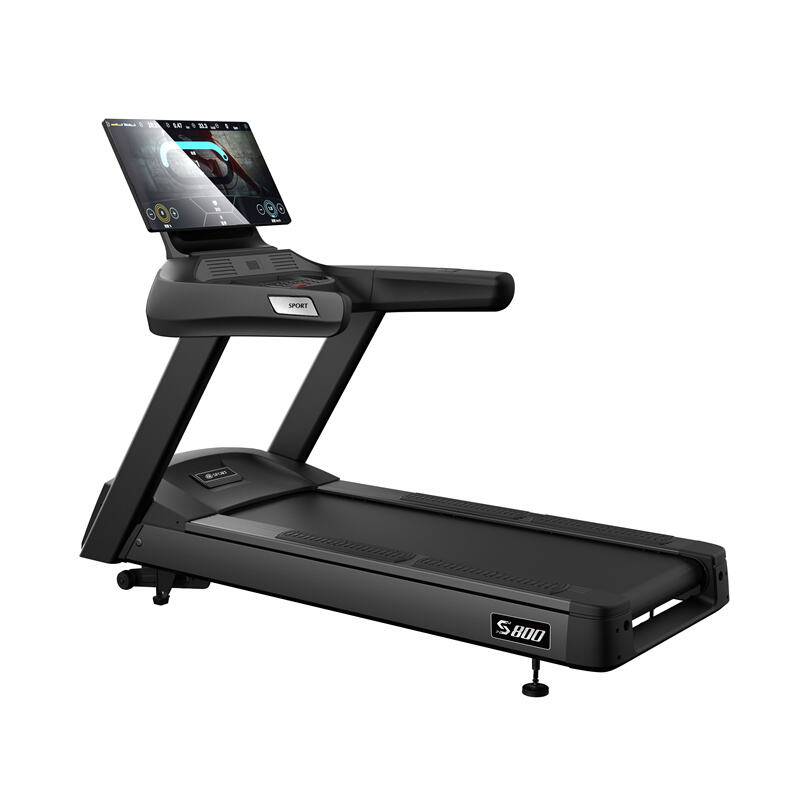
Why Regular Maintenance Extends Commercial Treadmill Lifespan
How Consistent Care Prevents Costly Repairs and Operational Downtime
Regular maintenance reduces component stress by up to 45%, delaying wear on belts, motors, and decks. Facilities that perform weekly belt inspections and quarterly lubrication cut unplanned downtime by 62% compared to reactive repair approaches. This proactive care lowers annual repair costs by $1,200–$2,800 per machine, according to a 2023 gym operations analysis.
Impact of Neglect on Motor Performance, Belt Integrity, and User Safety
Unserviced motors lose 8–12% efficiency annually due to dust buildup and bearing degradation, increasing energy consumption by 15%. Overly tight or misaligned belts accelerate deck wear, shortening belt lifespan from 5–7 years to just 1.5–2 years. These issues also raise safety risks: 27% of gym equipment injuries are linked to poorly maintained treadmills.
Long-Term ROI of Proactive Commercial Treadmill Maintenance
A gym with 10 treadmills can save $18,000–$35,000 over eight years through systematic maintenance instead of frequent replacements. Facilities following manufacturer-recommended schedules retain 89% of their treadmills’ resale value after five years. Industry research shows preventive care programs reduce total ownership costs by 41% while maintaining workout quality and member satisfaction.
Essential Cleaning Practices for Commercial Treadmills: Surface, Belt, and Deck
Step-by-Step Guide to Safely Clean the Treadmill Belt and Deck
Before getting started on cleaning, make sure the treadmill is unplugged completely to stay safe around electricity. To get rid of all that dirt underneath, lift up one side of the running belt and run a vacuum with a narrow nozzle along the base. A dry microfiber cloth works best for wiping down the belt itself since water tends to break down rubber parts when left sitting. If there's really stuck-on gunk, moisten the cloth just slightly with something like a mild gym equipment cleaner that won't damage surfaces. Most maintenance manuals suggest checking the treadmill deck once a month too. Look closely for any areas where the surface looks worn out unevenly because this kind of wear actually makes belts break down faster than normal over time.
Best Practices for Cleaning Console and Exterior Surfaces Without Damage
When cleaning console screens and control panels, grab a soft lint-free cloth and run it lightly over the surface with distilled water. Don't reach for aerosol sprays or anything containing ammonia since these can really mess up touchscreens and wear down buttons over time. Metal parts need special attention too - go for a polish that doesn't contain silicone to avoid those annoying streaks. According to research published last year on gym cleanliness, places that switched to pH balanced cleaning products saw about a third less damage to their equipment surfaces when compared to gyms still relying on strong chemical cleaners. And remember what every maintenance person knows: spilled liquids should be wiped up right away before they get a chance to work their way into sensitive electronic components inside the machines.
Recommended Cleaning Frequency and Tools for High-Use Gym Environments
| Frequency | Tasks | Tools Required |
|---|---|---|
| Daily | Wipe belt, deck, handles, console | Microfiber cloth, pH-neutral spray |
| Weekly | Vacuum under belt, disinfect grips | Crevice vacuum, hospital-grade disinfectant |
| Monthly | Deep-clean motor housing, inspect deck | Air compressor, torque wrench |
In high-traffic gyms, placing antimicrobial mats around treadmills helps capture 62% of floor debris before it reaches the equipment.
Proper Lubrication and Belt Care Every 3 Months
Why Lubrication Reduces Friction, Wear, and Motor Strain in Commercial Treadmills
When treadmills get properly lubed, it basically stops the belt from rubbing directly against the deck surface. This cuts down on friction quite a bit actually, maybe around 70 something percent according to some maintenance reports from last year. If gyms forget about applying that silicone stuff though, the belts start grinding against the decks pretty hard sometimes going over 10 miles per hour. All that friction creates heat which doesn't just feel bad for users but also starts breaking down important parts inside the motor assembly. We've seen plenty of cases where places neglect their regular lubrication schedule every three months or so. Those facilities tend to spend way more money fixing things later on because all those drive belts and bearings wear out much faster than they should normally.
How to Apply Lubricant Correctly Based on Manufacturer Specifications
- Unplug the treadmill and lift the running belt using rear roller bolts.
- Apply 5–7 drops of 100% silicone lubricant across the deck in a zigzag pattern.
- Run the treadmill at 3 mph for 5 minutes to distribute the lubricant evenly.
Critical mistake: 68% of gyms either over-lubricate (causing slippage) or use petroleum-based products (which destroy belts), per industry guidelines.
Signs Your Treadmill Needs Immediate Belt Lubrication
- High-pitched squeaking during operation (indicates <1 µm lubricant film thickness)
- Visible fraying along belt edges
- Console displaying "E3" or "LUBE" error codes
- Motors running 15–20% hotter than baseline temperatures
Common Mistakes in Lubrication and How to Avoid Them
A 2023 survey of 240 gyms identified three key errors:
- Frequency errors: 41% lubricated monthly (wasting product) or annually (accelerating wear)
- Product errors: 33% used WD-40 instead of treadmill-specific silicone lubricants
- Application errors: 26% sprayed lubricant directly on belts rather than the deck
Stick to the 3-month or 150-mile lubrication rule and follow alignment protocols to avoid motor overloads that cost $380+ per incident.
Belt Tension, Alignment, and Motor Maintenance for Peak Performance
How to Check and Adjust Belt Tension and Alignment Accurately
Turn the treadmill off completely before checking the belt tension. Grab a tension gauge and test the resistance right in the middle of the belt surface. Commercial treadmills generally need around 180 to 220 Newtons of force for best results. When adjusting, work on those rear roller bolts bit by bit until the belt sits centered. Make sure there's equal space all around between the belt edges and the metal frame sides. Getting this wrong can really shorten belt life - studies show misalignment causes about 40% more wear over time. And don't go overboard with tension either; too tight a belt puts extra strain on the motor, increasing its workload by roughly 15 to 20% according to industry maintenance reports.
Symptoms of Misaligned or Improperly Tensioned Belts
Look for uneven wear patterns, a “pulling” sensation during use, or audible friction between the belt and deck. Lateral drifting indicates misalignment, while slippage under heavy loads suggests loose tension. Excessive vibration or burning odors signal advanced mechanical stress requiring immediate attention.
Motor Inspection: Preventing Overheating Through Ventilation and Debris Removal
Inspect the motor housing monthly for dust buildup, which can reduce airflow efficiency by 30% and trigger thermal shutdowns. Use compressed air to clear ventilation ports and check for worn carbon brushes. Ensure mounting brackets are secure—loose parts increase vibration and accelerate bearing wear.
Routine Motor Maintenance Checklist for Gym Technicians
- Test emergency stop functionality weekly
- Verify electrical connections for corrosion or looseness
- Lubricate motor bearings annually (per manufacturer specifications)
- Monitor amp draw during peak usage to detect early signs of strain
Facilities integrating these practices reduce unplanned downtime by up to 60% and extend treadmill lifespans beyond 10 years, even in high-traffic environments.
Comprehensive Commercial Treadmill Maintenance Schedule and When to Call a Professional
Weekly, monthly, and annual maintenance tasks for optimal reliability
Following a structured maintenance schedule prevents 73% of mechanical failures in commercial treadmills (Fitness Equipment Journal 2023). Key tasks include:
- Weekly: Inspect belt tension, clean motor vents, verify safety key functionality
- Monthly: Lubricate the deck, test incline/decline mechanisms, check electrical connections
- Annually: Replace worn belts, calibrate speed sensors, upgrade control board firmware
Gyms using three-tier maintenance protocols report 40% longer equipment lifespans compared to reactive approaches.
Downloadable treadmill maintenance calendar template for gyms
Pre-formatted tracking templates help standardize:
- Task assignments for cleaning, lubrication, and inspections
- Historical repair records for warranty compliance
- Predictive replacement timelines for belts and motors
When to call a professional: Identifying electrical issues, motor failure, and complex faults
Contact certified technicians immediately if you notice:
- Intermittent power loss or persistent error codes after rebooting
- Burning smells coming from the motor compartment
- Unresponsive console buttons despite confirmed voltage supply
Industry guidelines recommend professional service when three DIY attempts fail to resolve an issue.
Benefits of scheduled professional servicing for commercial fitness facilities
Biannual expert maintenance delivers:
- 31% reduction in unexpected downtime (Gym Operations Report 2024)
- OEM-certified part replacements that preserve warranty validity
- Load testing to identify worn bearings before catastrophic failure
- Electrical diagnostics to catch early-stage component degradation
Facilities with service contracts experience 19% lower annual maintenance costs through prioritized repairs and bulk pricing on parts.
FAQ
Why is regular maintenance important for commercial treadmills?
Regular maintenance is crucial because it reduces the stress on components like belts, motors, and decks, delaying wear and tear. It significantly reduces downtime and repair costs and ensures user safety.
What are common signs that a treadmill requires immediate maintenance?
Signs include high-pitched squeaking noises, visible fraying on belt edges, error codes like "E3" or "LUBE" on the console, and motors running hotter than usual.
How often should commercial treadmills be lubricated?
Treadmills should typically be lubricated every three months or every 150 miles, following manufacturer specifications to prevent wear and motor strain.
What should I do if I notice an electrical issue with my treadmill?
If you detect an electrical issue, such as intermittent power loss or error codes after rebooting, it's advised to contact a certified technician for proper evaluation and repair.
How can professional servicing benefit commercial fitness facilities?
Scheduled professional servicing helps reduce unexpected downtime, ensures OEM-certified part replacements, and maintains warranty validity. It also helps identify component degradations early, reducing maintenance costs.
Table of Contents
- Why Regular Maintenance Extends Commercial Treadmill Lifespan
- Essential Cleaning Practices for Commercial Treadmills: Surface, Belt, and Deck
- Proper Lubrication and Belt Care Every 3 Months
- Belt Tension, Alignment, and Motor Maintenance for Peak Performance
-
Comprehensive Commercial Treadmill Maintenance Schedule and When to Call a Professional
- Weekly, monthly, and annual maintenance tasks for optimal reliability
- Downloadable treadmill maintenance calendar template for gyms
- When to call a professional: Identifying electrical issues, motor failure, and complex faults
- Benefits of scheduled professional servicing for commercial fitness facilities
-
FAQ
- Why is regular maintenance important for commercial treadmills?
- What are common signs that a treadmill requires immediate maintenance?
- How often should commercial treadmills be lubricated?
- What should I do if I notice an electrical issue with my treadmill?
- How can professional servicing benefit commercial fitness facilities?