
 EN
EN
 AR
AR
 BG
BG
 HR
HR
 CS
CS
 DA
DA
 NL
NL
 FI
FI
 FR
FR
 DE
DE
 EL
EL
 HI
HI
 IT
IT
 JA
JA
 KO
KO
 PL
PL
 PT
PT
 RO
RO
 RU
RU
 ES
ES
 SV
SV
 ID
ID
 UK
UK
 ET
ET
 GL
GL
 HU
HU
 MT
MT
 TR
TR
 FA
FA
 AF
AF
 GA
GA
 HY
HY
 AZ
AZ
 KA
KA
 UR
UR
 BN
BN
 LA
LA
 UZ
UZ
 KU
KU
 KY
KY
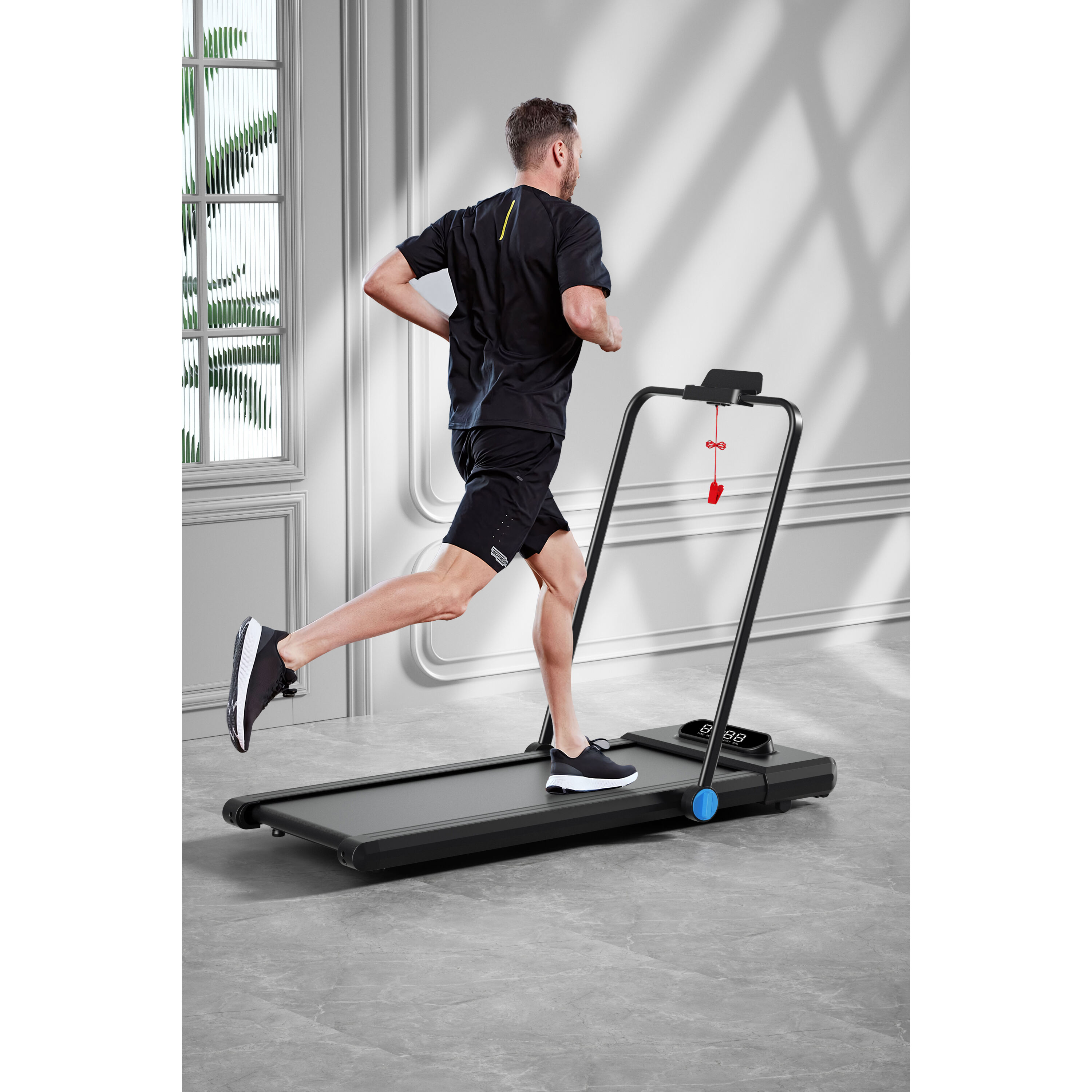
Commercial-Grade Frame Construction and Industrial Design Standards
Commercial treadmills are built to handle anywhere from 8 to 16 hours of daily operation, meeting industry requirements such as ISO 20957-1 when it comes to how strong the frame welds need to be. The better quality machines typically come with steel tubing about 3mm thick and have cross bracing at the base which cuts down on side to side movement during intense running sessions by roughly 47 percent according to research published by IHRSA in 2023. These machines also incorporate sealed bearings where parts connect and get powder coating applied to their surfaces. This helps them last longer in those damp gym settings where rust can become a real problem, keeping everything structurally sound even after years of constant use.
High-Strength Materials: Steel, Aluminum, and Reinforced Composites
The 2024 Fitness Engineering Report shows that planes' special aluminum frames crack about 23 percent less often than regular steel ones. These days most high quality equipment uses reinforced polymer composites for those little wheels at the ends. They handle heat better and also cut down on annoying vibrations during workouts. For the sides of machines, manufacturers have started making extruded aluminum rails with those cool diamond shaped treads. Tests indicate these textured surfaces prevent slipping incidents roughly 34% more effectively than plain metal surfaces do. That means safer workouts overall while still delivering good performance results for gym goers.
Weight Capacity and Running Belt Durability Under Heavy Use
The best commercial treadmills can handle users weighing around 400 pounds thanks to their dual layer running belts made from 2.5mm PVC over a nylon mesh core. According to field tests conducted across multiple facilities, three ply belt constructions tend to stay tight for well over 12,000 miles of usage, which is almost twice as long as what we see with standard two ply models. Another important feature worth mentioning is the heavy duty rollers these machines come equipped with. Most quality units have at least 4 inch diameter rollers featuring tapered ends that really cut down on those annoying edge wear problems. Edge wear actually accounts for roughly 63 percent of all belt replacement needs according to the latest Commercial Fitness Maintenance Index report from 2023.
Balancing Aesthetics with Rugged Functionality in Gym Environments
Modern commercial treadmills integrate architectural-grade brushed stainless steel with silicone grip handles, offering scratch resistance without compromising sleek design. A 2024 Gym Equipment Aesthetics Study found that members rate visually cohesive equipment 28% higher on perceived quality, directly influencing gym retention rates.
Usage Frequency Tolerance in High-Traffic Commercial Settings
Commercial grade equipment is typically constructed to handle at least 500 people per week, and they come with special coatings on their circuit boards that keep out dust and moisture pretty effectively. When machines have thermal overload safeguards, there tends to be about a 40 something percent drop in motor breakdowns for places that run operations for国内某些地区每天 according to some maintenance data from ACSM in 2023. For those round the clock hotel fitness centers, manufacturers design these systems with modular parts so technicians can fix individual components quickly without having to take everything apart completely. This makes maintenance much faster when something goes wrong during peak hours.
Motor Performance and Continuous-Duty Power Systems
Continuous-duty horsepower ratings and motor efficiency
Commercial treadmills require motors rated between 3.0–4.0 continuous-duty horsepower to sustain varied workouts across 10+ daily operating hours. High-efficiency motors leverage optimized magnetic flux and copper windings to cut energy consumption by 18–22%, a critical advantage for facilities running 15+ units simultaneously.
Thermal management and cooling systems for sustained operation
Multi-stage cooling systems prevent performance degradation under prolonged peak loads. Advanced liquid-cooled housings and temperature-regulated grease lower motor core temperatures by 15–20°C versus air-only systems, reducing insulation failures by 32% (IHRSA 2022).
Real-world reliability: Motor failure trends in commercial gyms (IHRSA 2022)
Data from 1,800 facilities reveals that 63% of motor replacements occur in units lacking quarterly thermal inspections. Treadmills with dual cooling mechanisms and 3.5+ HP motors require 41% fewer service interventions over five years, underscoring the importance of both robust engineering and proactive maintenance.
Running Deck and Belt System Engineering
Deck Thickness Standards: 3/4-inch vs. 1-inch Baltic Birch Plywood
Commercial decks typically use Baltic birch plywood in either 3/4-inch or 1-inch thickness. The thicker 1-inch option offers superior impact resistance, lasting 8–10 years under daily use compared to 5–7 years for thinner decks (2023 Fitness Equipment Study). This extended lifespan reduces annual maintenance costs by 40%, making it ideal for high-traffic facilities.
Roller Size, Belt Tension, and Their Impact on Deck Lifespan
Oversized 3-inch rollers reduce friction and extend belt life. When combined with proper tensioning aligned to NSCA guidelines, facilities report 60% fewer deck replacements (NSCA 2022). Regular calibration preserves belt alignment and ensures consistent performance, minimizing premature wear.
Innovations in Modular Deck Systems for Simplified Maintenance
Modular deck systems allow targeted replacement of worn sections rather than entire assemblies. Industry data from 2023 shows this approach cuts service downtime by 70%. Quick-release mechanisms and standardized parts enable technicians to complete repairs 50% faster, improving equipment uptime in demanding environments.
Cushioning and Shock Absorption for User Safety
Joint Protection Technologies and User Impact Reduction
Advanced cushioning systems such as adaptive compression zones and multi-layer elastomers reduce vertical impact forces by up to 35% compared to rigid surfaces (ACE Fitness 2023). These technologies absorb up to 80% of shock energy before it reaches the knees and hips, essential for gyms serving 100+ users daily.
Comparative Review: Octane, FlexDeck, and Rebound Cross-System
- Octane’s Progressive Cushioning uses pressure-sensitive hydraulics to adapt to individual weight and stride patterns
- FlexDeck’s Modular System integrates interlocking shock plates with replaceable dampeners for easy maintenance
- Rebound Cross-System features gel-infused foam layers tested to withstand 2.5 million footfalls without degradation
Independent tests show these systems reduce tibial shock by 22–40% during sprint intervals, with Rebound’s gel matrix recording the lowest peak impact force at 28 G–below the industry average of 34 G.
ACE Fitness Research on Shock Absorption Effectiveness
According to a recent 2023 investigation involving 87 different commercial fitness centers, gyms equipped with certified shock absorption systems saw about 19 fewer lower body injuries than those without such features. The study team also noted that runners experienced around 28% less strain on their knee tendons after 30 minutes of running, which really highlights why proper cushioning matters so much in places where people work out for eight hours or more each day. For best results when it comes to protecting joints, experts suggest looking at systems that can disperse at least seventy percent of impact energy. This kind of performance makes all the difference in long term joint health for regular gym-goers.
Smart Technology and Maintenance for Longevity
Integrated Console Features: Metrics Tracking and Workout Programs
Modern consoles offer real-time analytics including heart rate, incline control, and calorie tracking. Preloaded programs–like interval or hill simulations–automatically adjust speed and resistance, streamlining workouts and reducing reliance on staff guidance. Standardized routines improve consistency, especially beneficial during peak hours in high-traffic gyms.
Connectivity and App Integration in Modern Units
Wi-Fi and Bluetooth connectivity enables synchronization with platforms such as Apple Health and MyFitnessPal, supporting seamless progress tracking. Integration with gym management software allows operators to monitor usage trends and anticipate maintenance needs. A 2024 fitness tech survey showed connected treadmills reduced manual performance audits by 23%.
Touchscreen Interfaces and Ecosystem Compatibility
High-definition touchscreens (7–22 inches) support video streaming, virtual coaching, and diagnostics. Cross-platform compatibility ensures integration with existing management systems without proprietary lock-in. Ruggedized glass resists frequent disinfection cycles, meeting post-2020 hygiene standards.
Maintenance Best Practices: Lubrication, Belt Care, and Calibration
| Task | Frequency | Tools Required |
|---|---|---|
| Belt alignment | Biweekly | Torque wrench |
| Deck lubrication | Quarterly | Silicone-based spray |
| Motor inspection | Biannually | Multimeter |
IoT-Enabled Predictive Maintenance Trade-offs
IoT sensors can predict bearing or belt wear 6–8 weeks in advance, reducing unscheduled repairs by 37%. However, they introduce cybersecurity risks requiring regular firmware updates and network segmentation. Mid-sized gyms face a 15% increase in IT infrastructure costs, necessitating careful ROI evaluation before adoption.
FAQ
What is the lifespan of a commercial treadmill?
Commercial treadmills, especially those with robust construction and quality materials, typically last anywhere from 7 to 12 years depending on usage intensity and maintenance practices.
How important is cushioning in treadmills?
Cushioning is crucial as it significantly reduces impact forces on joints, leading to fewer injuries. Advanced systems can reduce impact forces by up to 35%.
How often should maintenance be performed on commercial treadmills?
Maintenance tasks such as belt alignment and deck lubrication should be performed biweekly and quarterly, respectively, to ensure longevity and optimal performance. Regular inspections are also recommended for detecting potential issues early.
Table of Contents
- Commercial-Grade Frame Construction and Industrial Design Standards
- High-Strength Materials: Steel, Aluminum, and Reinforced Composites
- Weight Capacity and Running Belt Durability Under Heavy Use
- Balancing Aesthetics with Rugged Functionality in Gym Environments
- Usage Frequency Tolerance in High-Traffic Commercial Settings
- Motor Performance and Continuous-Duty Power Systems
- Running Deck and Belt System Engineering
- Cushioning and Shock Absorption for User Safety
- Joint Protection Technologies and User Impact Reduction
- Comparative Review: Octane, FlexDeck, and Rebound Cross-System
- ACE Fitness Research on Shock Absorption Effectiveness
- Smart Technology and Maintenance for Longevity
- FAQ