
 EN
EN
 AR
AR
 BG
BG
 HR
HR
 CS
CS
 DA
DA
 NL
NL
 FI
FI
 FR
FR
 DE
DE
 EL
EL
 HI
HI
 IT
IT
 JA
JA
 KO
KO
 PL
PL
 PT
PT
 RO
RO
 RU
RU
 ES
ES
 SV
SV
 ID
ID
 UK
UK
 ET
ET
 GL
GL
 HU
HU
 MT
MT
 TR
TR
 FA
FA
 AF
AF
 GA
GA
 HY
HY
 AZ
AZ
 KA
KA
 UR
UR
 BN
BN
 LA
LA
 UZ
UZ
 KU
KU
 KY
KY
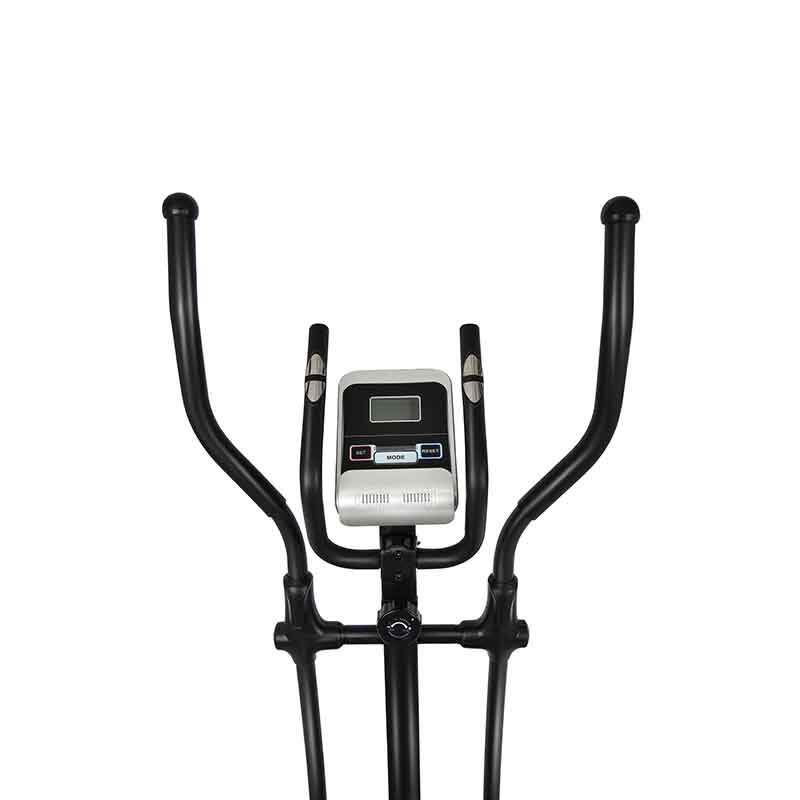
Frame Durability and Build Quality for High-Use Environments
Why Frame Construction Is Critical in Commercial Elliptical Machines
Commercial elliptical machines endure 10–14 hours of daily use in fitness facilities, requiring 300% more structural reinforcement than consumer models according to 2023 fitness equipment durability benchmarks. Poorly engineered frames can develop hazardous sway deviations exceeding 2.5° during high-intensity sessions–contributing significantly to user injuries in gyms.
Key Indicators of Durability: Steel Gauge, Weld Integrity, and Reinforcement Design
Top-tier commercial models feature:
- 12-gauge steel frames (40% thicker than residential-grade 14-gauge)
- Continuous laser welds at stress points, replacing weaker 3-point bolt systems
- Triangular bracing patterns proven to reduce lateral torsion by 62% in university durability trials
These design elements extend machine lifespans to 18,000–22,000 hours compared to 6,500 hours in budget models (Fitness Engineering Journal, 2024).
Comparing Long-Term Performance Across Top Commercial Brands
Leading manufacturers achieve 92% operational reliability after five years through superior engineering:
| Feature | Premium Models | Entry-Level Commercial |
|---|---|---|
| Mean Time Between Repairs | 4,200 hours | 1,800 hours |
| Replacement Part Costs | 18% of MSRP | 34% of MSRP |
| Corrosion Resistance | 600-hour salt spray rating | 150-hour rating |
This performance directly reduces facility downtime costs, which average $740/hour (Club Operations Report, 2023).
Real-World Case Study: Equipment Lifespan in 24-Hour Gym Chains
A 45-location fitness chain reported 83% lower maintenance costs after switching to aircraft-grade aluminum elliptical frames. Over 36 months:
- 67% reduction in weld fractures
- 41% fewer pedal arm replacements
- Average service interval extended from 90 to 310 days
The change delivered $18,700 in annual savings per location through reduced technician visits and part replacements (Multi-Site Gym Maintenance Study, 2024).
Drive System Performance: Front vs. Rear Drive Commercial Ellipticals
Understanding the Mechanical Differences Between Front and Rear Drive Systems
Commercial ellipticals with front drive setups put the flywheel right in front of where people stand, which makes users lean forward during workouts as if they're climbing hills. Because of this design choice, most manufacturers have to reinforce those front linkages pretty heavily with stronger welds and better quality steel materials. On the other hand, when we look at rear drive versions, the flywheel sits behind the user instead, allowing for a much straighter foot movement pattern that actually matches how humans walk naturally. According to various industry reports, these back driven machines generally have around 15 to maybe even 20 percent less components moving around compared to their front counterparts. That means less stuff breaking down over time and potentially saving gym owners money on repairs down the road.
| Design Factor | Front-Drive Ellipticals | Rear-Drive Ellipticals |
|---|---|---|
| Footprint | Compact (5–6 sq. ft.) | Larger (7–8 sq. ft.) |
| Maintenance Cycle | Every 400 hours | Every 650 hours |
| Motion Path | 15° upward arc | 3° upward arc |
Advantages of Rear-Drive Systems in User Comfort and Motion Fluidity
Studies from the Biomechanics Lab back in 2023 found that rear drive setups cut down on hip flexor strain by about 22% when compared to those front drive machines. That makes a real difference for people with different mobility needs or recovering from injuries. What sets these apart is how they handle movement. With the flywheel positioned at the back, there's much smoother energy flow throughout each workout session. No more dealing with that annoying catch feeling when changing direction something many folks find frustrating on older front drive models. And it's not just me saying this either Fitness Tech Journal reported last year that around 7 out of 10 fitness experts noticed their clients were happier using rear drive ellipticals especially in rehabilitation programs where comfort matters most.
Space Efficiency and Maintenance Needs of Modern Center and Front-Drive Models
Traditional front drive ellipticals take up less floor space, usually around 25% smaller than their rear drive cousins. But newer center drive machines are changing the game by packing everything into a tighter layout while being easier on joints during workouts. The maintenance story flips here too center drives need about 30% less work over the year compared to front drives according to the Commercial Fitness ROI Report for 2024. Of course there's a catch they typically cost 18 to 25% more when first purchased. For gym owners deciding between these options, traffic patterns matter a lot. Front drive units can handle pretty heavy usage, say 150 people per day without breaking a sweat, though they will need bearings replaced more often which adds to long term expenses.
Resistance Systems and Flywheel Design for Consistent Workouts
Commercial elliptical machines rely on advanced resistance systems to deliver smooth, adjustable workouts. The right combination of resistance technology and flywheel engineering directly impacts user satisfaction and equipment longevity in high-traffic facilities.
Types of resistance systems in commercial elliptical machines
Three primary systems dominate the commercial market: magnetic, electromagnetic, and friction-based resistance. Magnetic systems use opposing magnets for frictionless braking, while electromagnetic models adjust resistance via current-regulated coils. Friction systems are rare in commercial environments due to inconsistent performance and high maintenance under heavy use.
How flywheel weight influences workout feel and consistency
Flywheels between 28–35 lbs provide optimal momentum for natural stride dynamics. Heavier flywheels (35+ lbs) maintain consistent inertia during interval training, reducing perceived effort variation by up to 40% compared to lighter models. This stability is critical in group fitness settings where users rapidly change resistance levels.
Electromagnetic vs. magnetic resistance: Precision and scalability in B2B settings
The electromagnetic systems can make tiny adjustments at 0.5% resistance steps compared to magnetic systems which jump in 5% increments. That makes emags much better for things like physical therapy work and high level athlete training where fine control matters. Testing shows electromagnetic equipment is about 23 percent more accurate in those clinical settings. On the flip side though, magnetic systems need way less upkeep than friction based alternatives, cutting maintenance needs down by nearly 90%. Many round-the-clock fitness centers actually go for a mix of both technologies these days. They'll install electromagnetic drive mechanisms but keep magnetic brakes as backups. This gives trainers the best of both worlds really, combining precise resistance control with reliable safety features when someone pushes too hard during late night workouts.
Ergonomic Design and User Accessibility: Stride Length and Adjustability
Importance of Proper Stride Length for Diverse Gym Member Populations
Most commercial ellipticals need to work for people ranging from around 4 foot 10 inches all the way up to nearly 6 foot 6 inches tall. That's why having adjustable stride length settings matters so much for preventing joint pain and keeping things comfortable during workouts. Recent surveys in the fitness industry show something pretty interesting too - more than two thirds of gym goers actually avoid using cardio machines because they find them uncomfortable or not built right for their bodies. The problem gets really noticeable with fixed stride models. Shorter folks under 5 foot 3 inches often struggle with these machines since they end up stretching too far when using the standard 18 to 20 inch settings, which can lead to all sorts of discomfort and potential injuries over time.
Optimal Stride Range Based on Average Adult Biomechanics
Ergonomic research recommends adjustable ranges of 14"–26" to match the walking patterns of 95% of adults. Hybrid mechanisms combining polycentric joints with telescoping rails now enable seamless stride adjustments without compromising stability. Commercial ellipticals offering 6–12 incremental settings see 43% higher utilization rates in multi-user facilities compared to fixed-stride alternatives.
Adjustable Stride Mechanisms and Inclusive Fitness Equipment Design
The latest ellipticals come equipped with something called dual sensor tech that tweaks resistance levels as people take different sized steps. Basically, taller folks get the same challenging workout as shorter ones without having to mess with settings all the time. The way manufacturers have combined this smart tech with designs that work for everyone fits right into those city gym regulations they always talk about. Gyms that switched to these newer models are seeing real benefits too. Members complain 31 percent less about how hard it is to figure out the machines, and newbies get started on their workouts about 22 percent quicker than before. Makes sense when you think about it really.
Smart Consoles and Long-Term Value: Warranty, Maintenance, and ROI
Commercial elliptical machines require advanced smart consoles to maximize member retention and operational efficiency. Gym operators prioritizing long-term ROI should evaluate systems through both technical capabilities and lifecycle cost frameworks.
Essential Console Features: App Connectivity, Heart Rate Integration, and AI-Driven Personalization
Modern consoles must include:
- Bluetooth 5.0+ for simultaneous wearable pairing and equipment tracking
- Cloud-based workout history accessible across franchise locations
- Adaptive resistance algorithms using real-time heart rate data (e.g., maintaining 65–85% of max HR zones)
Facilities with AI-driven consoles report 34% higher member retention than those with basic models (2023 gym technology survey).
Pre-Programmed Workouts and Their Impact on User Engagement and Retention
Strategic workout programming reduces staff training demands while increasing usage. Facilities implementing branded virtual classes saw 41% more weekly elliptical sessions per member (Fitness Biz News 2024).
Evaluating Warranty Terms, Service Support, and Predictive Maintenance Tools
Prioritize contracts covering:
- Drive system components (minimum 5 years)
- Touchscreen displays (3+ years)
- Remote diagnostics with <24hr response SLAs
Operators using predictive maintenance tools experience 62% fewer service disruptions than those relying on reactive repairs (Gym Tech Quarterly 2023).
Cost-Per-Use Analysis and Total Cost of Ownership Over 5 Years
| Cost Factor | Premium Model | Entry-Level Model |
|---|---|---|
| Initial Purchase | $8,200 | $5,500 |
| Annual Maintenance | $290 | $670 |
| Energy Consumption | $18/month | $24/month |
| 5-Year Total | $9,980 | $11,650 |
High-efficiency elliptical machines yield an average savings of $1,670 per unit over five years according to commercial fitness ROI calculators.
Frequently Asked Questions
What is the ideal flywheel weight for a commercial elliptical machine?
Flywheels between 28-35 lbs provide optimal momentum for natural stride dynamics.
How does the drive system affect the workout experience in elliptical machines?
The position of the flywheel, whether front or rear, impacts the natural movement and maintenance, with rear-drive setups often being more comfortable and requiring less upkeep.
Why is frame construction important for commercial elliptical machines?
Due to their frequent use, commercial ellipticals need reinforced frames to handle long hours and intense workouts, reducing the risk of hazardous deviations and injuries.
Table of Contents
- Frame Durability and Build Quality for High-Use Environments
- Drive System Performance: Front vs. Rear Drive Commercial Ellipticals
- Resistance Systems and Flywheel Design for Consistent Workouts
- Ergonomic Design and User Accessibility: Stride Length and Adjustability
-
Smart Consoles and Long-Term Value: Warranty, Maintenance, and ROI
- Essential Console Features: App Connectivity, Heart Rate Integration, and AI-Driven Personalization
- Pre-Programmed Workouts and Their Impact on User Engagement and Retention
- Evaluating Warranty Terms, Service Support, and Predictive Maintenance Tools
- Cost-Per-Use Analysis and Total Cost of Ownership Over 5 Years
- Frequently Asked Questions