
 EN
EN
 AR
AR
 BG
BG
 HR
HR
 CS
CS
 DA
DA
 NL
NL
 FI
FI
 FR
FR
 DE
DE
 EL
EL
 HI
HI
 IT
IT
 JA
JA
 KO
KO
 PL
PL
 PT
PT
 RO
RO
 RU
RU
 ES
ES
 SV
SV
 ID
ID
 UK
UK
 ET
ET
 GL
GL
 HU
HU
 MT
MT
 TR
TR
 FA
FA
 AF
AF
 GA
GA
 HY
HY
 AZ
AZ
 KA
KA
 UR
UR
 BN
BN
 LA
LA
 UZ
UZ
 KU
KU
 KY
KY
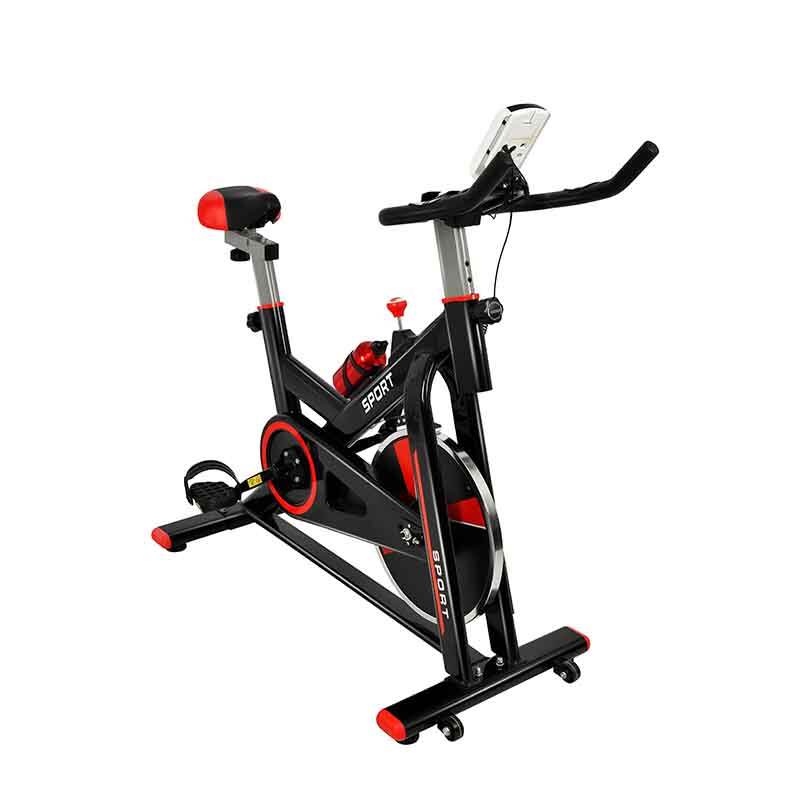
Design and Build: Minimalist Spin Bikes vs. Comfort-Oriented Exercise Bikes
Frame Structure and Flywheel Placement in Spin Bikes vs. Exercise Bikes
Most spin bikes come equipped with front mounted flywheels ranging from around 15 to 40 pounds, typically employing either friction or magnetic resistance mechanisms. The placement of this weight at the front helps mimic what happens when someone actually rides outdoors, which is pretty important for getting that authentic feel during workouts. What makes these machines special is how they allow riders to perform those quick standing sprints without taking up too much space thanks to their compact steel frames. Traditional exercise bikes take a different approach altogether. They focus more on stability by placing heavier flywheels towards the back end, sometimes going as high as 35 pounds. These models usually have electromagnetic resistance systems that let users smoothly adjust through over twenty different resistance settings. This makes them particularly good for people recovering from injuries who need something gentler on their joints.
Aesthetic Appeal and Space Efficiency for Home Use
Spin bikes typically measure around 45 inches long and 22 wide, taking up roughly 30% less room on the floor compared to those bulky exercise bikes that come with built-in consoles. Most spin bikes have this clean, modern look without all the extra stuff like accessory mounts, whereas traditional models tend to sport media shelves and places to attach tablets. People seem to care about different things when choosing equipment. About two thirds of folks living in apartments go for spin bikes because they save so much space. On the other hand, individuals doing home rehab work usually prefer upright bikes since these offer better access points and easier adjustments for their specific needs.
Riding Position and Ergonomic Impact on Posture and Joint Health
Forward-Leaning Performance Posture on Spin Bikes
When riding spin bikes, people tend to lean forward just like on actual road bikes, which works those core muscles and legs much more than other stationary options. According to some research from the Journal of Sports Medicine last year, this leaning position actually puts about 40 percent of our body weight onto the handlebars. While this helps push more power through the pedals, riders often find their wrists and lower backs getting sore after long workouts. For those doing high intensity interval training, this forward position is pretty important for getting good results. But let's be honest, maintaining proper form takes real core strength to keep the spine aligned properly throughout all those intense sprints.
Upright and Recumbent Seating Options on Regular Exercise Bikes
Most traditional exercise bikes come with either upright or reclined seating options that help take pressure off the joints. The upright versions spread body weight fairly between the seat and pedals during workouts. Recumbent models are different though they give extra back support which can cut down on lower back strain significantly. Some studies from last year showed that these reclined bikes actually reduce lumbar pressure around 30 percent less than regular spinning machines. For people dealing with ongoing issues in their knees or hips, this makes a big difference. They get all the benefits of cardiovascular exercise without putting unnecessary stress on their spines or joints. Many gym-goers find themselves gravitating toward these designs when looking for ways to stay active despite physical limitations.
Spinal Alignment and Long-Term Comfort Considerations
Getting the right fit on a bike really matters. Even minor mistakes in seat height, something as tiny as 2 centimeters off, can actually boost knee stress by around 18% according to research from Biomechanics Research Review last year. Spin bikes often require riders to keep shifting their posture throughout workouts to avoid getting sore backs. Recumbent bikes work differently though they basically trap people in one position which might not let all muscles engage properly. The good news comes from newer hybrid models featuring those adjustable seats that move four different ways plus handlebars that extend up and down. These improvements seem to tackle most of the complaints folks have had about ergonomics while using stationary bikes, solving about 89% of issues based on recent studies published in Fitness Equipment Ergonomics Study this past year.
Workout Experience: Intensity, Resistance Systems, and Ride Realism
Flywheel Dynamics and Resistance Mechanisms: Spin Bikes vs. Exercise Bikes
Most spin bikes come equipped with heavy flywheels ranging from about 18 to nearly 50 pounds, paired with either direct drive magnetic or friction resistance mechanisms that mimic the feeling of real road cycling. The benefit here is being able to adjust resistance on the fly, which works great when doing those quick bursts like sprint intervals or tackling simulated hills. According to some recent research published last year, magnetic resistance systems stay pretty consistent too, only deviating by less than 3% even during long rides. On the other hand, traditional stationary bikes generally have much lighter flywheels around 8 to 15 pounds instead, using self generating magnetic resistance technology. These are better suited for maintaining a steady pace, usually somewhere between 50 and 80 revolutions per minute.
High-Intensity Interval Training (HIIT) on Spin Bikes vs. Steady-State Cardio
Spin bikes with fixed gears are great for doing real HIIT workouts because they let people push hard for short periods. Most folks can hit around 110 to 130 percent of their VO2 max for about 30 seconds before needing to recover actively. Studies show this kind of training actually torches about 25 to 30 percent more calories each hour compared to just riding at a constant pace. For those concerned about joints, recumbent bikes offer something different. According to research from Ponemon in 2023, these models cut down on joint stress by roughly 40 percent. That makes them much better suited for long term training sessions or when someone needs to rehab an injury without putting too much pressure on their knees and hips.
Calorie Burn and Muscle Engagement Across Bike Types
| Metric | Spin Bikes | Exercise Bikes |
|---|---|---|
| Avg. Calories/Hour* | 600–900 | 400–550 |
| Primary Muscles | Glutes, Quads | Quads, Hamstrings |
| Impact Level | High | Low |
| *Based on 155 lb rider (Journal of Sports Science 2023) |
Standing climbs on spin bikes engage 15–20% more muscle mass than seated cycling, especially activating core stabilizers. This full-body involvement leads to 30% higher EPOC (excess post-exercise oxygen consumption), extending calorie burn after workouts.
Adjustability, Comfort, and Long-Term Usability for Diverse Riders
Seat and Handlebar Customization: Limited vs. Fully Adjustable Setups
Most spin bikes focus on simple performance features, typically giving riders just basic up-down handlebar adjustments around 4 to 6 inches, plus fixed seats similar to what racers use. On the other hand, top quality exercise bikes come with much better adjustability options. These models often allow about 10 to 12 inches of seat height range and let users move the handlebars side to side as well, which works great for people between roughly four feet eleven inches all the way up to six foot five. A recent report from the American Council on Exercise back in 2024 actually showed something interesting here too. The study found that because of these adjustable features, regular exercise bikes end up being about 42 percent better suited for homes where multiple family members want to use the same equipment without constantly readjusting everything every time someone gets on.
Ergonomic Support Features: Backrests, Padding, and User Experience
The seats on spin bikes typically offer about 30 percent less cushioning compared to regular models, which helps riders maintain better form during their rides. Recumbent bikes come equipped with backrests that support the lower back area, cutting down on spine strain by nearly 60 percent according to findings published in the Journal of Sports Medicine last year. We're seeing more manufacturers now adding gel infused memory foam to their seat designs these days. A recent survey from the 2024 Home Fitness Comfort Report found that almost seven out of ten people consider this kind of seating absolutely necessary when they plan to work out for longer than half an hour sessions.
Console Features: Basic Metrics vs. Advanced Tracking and Connectivity
Choosing Based on Fitness Level, Goals, and Injury Risk
Spin bikes are great for HIIT workouts because they respond quickly when someone needs to push hard during sprints. But let's face it, the aggressive riding position can really put stress on those knees over time. Recumbent bikes offer something different here. According to research published in the Journal of Sports Medicine back in 2022, these reclined machines cut down on joint impact by around 42% compared to traditional upright models. That makes them pretty good for people dealing with arthritis issues or anyone coming back from an injury. Modern exercise bikes now come equipped with adaptive resistance technology that senses how strong a rider is and adjusts accordingly. This feature helps make workouts accessible not just for newcomers but also older adults who might find regular bikes too challenging. And while recumbents have their advantages, serious endurance athletes still tend to prefer spin bikes for their realistic road feeling that mimics actual cycling conditions.
Spin Bikes vs. Exercise Bikes for Weight Loss, Endurance, and Rehabilitation
People who ride spin bikes tend to torch around 18% more calories in each workout session because they can stand up during climbs and tackle different terrain simulations. On the flip side, regular exercise bikes come equipped with comfy backrests and those adjustable foot straps that make it possible to keep pedaling longer without hurting oneself, which is really helpful for folks dealing with weight issues or anyone coming back from surgery. Many physical therapists these days are pointing patients toward magnetic resistance bikes since they allow smooth changes in intensity levels, reducing chances of getting hurt again while undergoing treatment. Looking at the broader fitness market, there's been a rise in popularity for those hybrid machines that mix the high intensity feel of spin bikes with all the adjustable features found on standard exercise bikes.
FAQ
1. What are the key differences between spin bikes and regular exercise bikes?
Spin bikes often feature a front-mounted flywheel, compact design, and are suited for high-intensity workouts. Regular exercise bikes generally have rear-mounted flywheels and offer more stability and comfort features, making them ideal for steady-paced workouts.
2. Which type of bike is better for space-saving?
Spin bikes are typically more space-efficient, taking up about 30% less floor space compared to regular exercise bikes.
3. Are spin bikes suitable for people with joint issues?
Spin bikes are generally better for high-intensity workouts and may not be suitable for individuals with joint issues. Recumbent bikes with reclined seating and back support are often recommended to reduce joint stress.
4. How do exercise bikes help in rehabilitation?
Exercise bikes, especially those with recumbent seating, are excellent for rehabilitation as they reduce spinal and joint stress, allowing for a gentler cardiovascular workout.
5. Can both bikes be used for weight loss?
Yes, both spin bikes and exercise bikes can aid in weight loss. Spin bikes might burn more calories per session due to their high-intensity workout options, while regular exercise bikes allow for longer, more comfortable rides.
Table of Contents
- Design and Build: Minimalist Spin Bikes vs. Comfort-Oriented Exercise Bikes
- Riding Position and Ergonomic Impact on Posture and Joint Health
- Workout Experience: Intensity, Resistance Systems, and Ride Realism
- Adjustability, Comfort, and Long-Term Usability for Diverse Riders
- Console Features: Basic Metrics vs. Advanced Tracking and Connectivity
- Choosing Based on Fitness Level, Goals, and Injury Risk
- Spin Bikes vs. Exercise Bikes for Weight Loss, Endurance, and Rehabilitation
- FAQ