
 EN
EN
 AR
AR
 BG
BG
 HR
HR
 CS
CS
 DA
DA
 NL
NL
 FI
FI
 FR
FR
 DE
DE
 EL
EL
 HI
HI
 IT
IT
 JA
JA
 KO
KO
 PL
PL
 PT
PT
 RO
RO
 RU
RU
 ES
ES
 SV
SV
 ID
ID
 UK
UK
 ET
ET
 GL
GL
 HU
HU
 MT
MT
 TR
TR
 FA
FA
 AF
AF
 GA
GA
 HY
HY
 AZ
AZ
 KA
KA
 UR
UR
 BN
BN
 LA
LA
 UZ
UZ
 KU
KU
 KY
KY
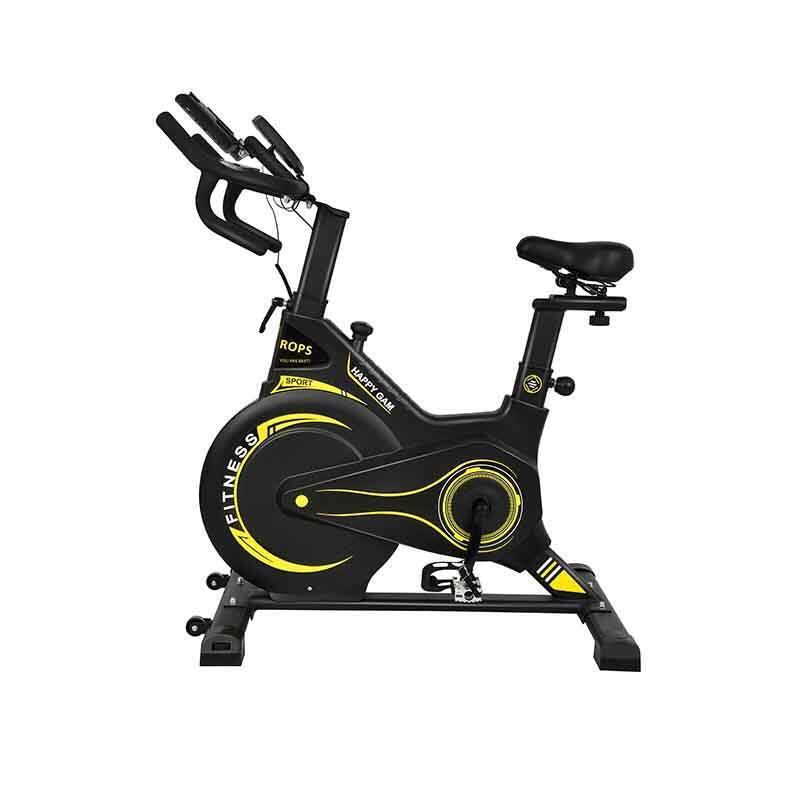
Key Features That Define a High-Performance Spinning Bike
Commercial-grade spinning bikes are engineered to endure 10+ daily workouts while delivering consistent performance. What sets them apart from consumer models is precision biomechanical design, industrial-grade materials, and robust assembly methods that ensure longevity and safety under constant use.
Core Functionality: What Makes a Spinning Bike Effective for Intense Workouts
Top tier spin bikes manage around 92 to 97 percent power transfer efficiency which is way better than the standard 85 percent seen in most consumer grade machines. This means serious cyclists can push through those intense sprints at over 110 RPM without losing much energy along the way. The resistance mechanisms on these premium bikes create really smooth and consistent resistance curves too, something that cheaper models just cant match when doing those tough HIIT workouts where sudden drops in resistance would throw off anyone trying to maintain pace. Looking at data from the National Exercise Equipment Association released in 2023 shows that professional quality bikes keep their resistance accuracy within plus or minus 2 percent even after half a million spins, whereas entry level versions tend to drift by about 8 percent over time. That kind of stability matters a lot for gyms and training facilities needing equipment that delivers the same workout quality ride after ride.
Essential Components and Build Materials for Durability and Safety
Durability starts with high-stress components built to resist wear and fatigue. The following table outlines key differences between consumer and commercial-grade materials:
| Component | Consumer Grade | Commercial Grade |
|---|---|---|
| Drive System | PVC-coated chain | Kevlar-reinforced belt |
| Bearings | Nylon bushings | Double-sealed ABEC-5 bearings |
| Resistance Pad | Felt composite | Ceramic-infused wool blend |
To maintain safety and function, equipment standards recommend regular pre-ride inspections. Protocols from safety authorities emphasize weekly checks of brake pad alignment and crank arm torque (minimum 35 Nm) to prevent mechanical failure.
Frame Construction and Weld Integrity in Commercial-Grade Spinning Bikes
Most commercial frames are built with 3mm steel tubing that can handle weights around 300kg, and they're strengthened using triangle-shaped designs to make them stiffer overall. The really important stress points like where the seat post meets the handlebars, the crank mounts, and the flywheel supports all have proper TIG welds going at least 2mm deep into the metal. We put gusset plates on those spots where most weight hits from the side, which cuts down on wobbling by about two thirds when compared to just spot welding everything together. This was actually tested under ASTM F3029 standards during thousands of cycles. And don't forget the extra welds throughout the frame too. These backup welds at every major connection point mean these frames stay strong even after years of heavy use in busy gyms and training centers.
Resistance Systems Compared: Magnetic, Air, and Friction for Gym Use
Magnetic vs. Friction Resistance: Performance, Maintenance, and User Experience
Magnetic resistance systems provide electronic tension control with over 100 different settings and run almost silently at around 51 decibels or less. These systems let users adjust resistance smoothly and accurately which makes them great for planned workouts. Since there's no actual contact between parts, these systems last much longer than traditional ones. Some studies suggest wear drops about 85% compared to friction models. Of course, they do need electricity to work properly, but gym owners often find maintenance costs drop significantly. One survey found service expenses were about 40% cheaper after three years with magnetic systems. Friction based equipment works differently though. It uses felt pads that press directly onto the flywheel, so adjustments have to be made manually and regular checks are necessary every couple weeks. These older style machines tend to get louder when someone really pushes hard during a workout session, producing roughly 22% more noise than magnetic alternatives. Still many gyms stick with them because they're mechanically straightforward and initially cheaper to purchase despite the extra upkeep required.
Air Resistance Bikes: Power Response and Suitability for High-Intensity Training
Air resistance bikes adjust tension as people pedal faster, creating resistance that matches how hard someone is working out. These machines work great for high intensity interval training because the resistance changes on the fly. When someone gives it their all, these bikes can get pretty loud too reaching around 73 decibels, similar to what people hear when walking down a busy city street. The way these bikes respond instantly to rider input actually feels like riding outside in real conditions. That's probably why so many spin class teachers love using them in group settings according to recent surveys showing 72 percent preference among cycling instructors in 2024 fitness reports. On the flip side though, all that constant airflow from these machines does put extra strain on heating and cooling systems inside gym spaces. Facilities managers have pointed this out, with about two thirds reporting increased energy costs from running air bikes regularly in enclosed workout areas.
Pros and Cons of Each System in High-Traffic Gym Environments
For gyms managing 100+ daily users, each resistance type presents distinct trade-offs:
- Magnetic: Minimal moving parts enable 3-year service intervals but depend on consistent power.
- Friction: No electricity required, yet demand biweekly pad checks and show higher user complaints about inconsistency.
- Air: Self-powered and responsive, but need quarterly fan cleaning and have 23% higher component replacement costs over five years (2024 Fitness Equipment ROI Report).
Despite higher lifecycle expenses, air bikes see 42% greater usage during peak hours, while magnetic systems lead in reliabilityâreducing user-reported resistance issues by 58%.
Flywheel Weight and Ride Stability: Engineering a Smooth Spinning Experience
How Flywheel Weight Influences Inertia, Smoothness, and Workout Realism
At the heart of any bicycle sits the flywheel, acting as its main source of kinetic energy where weight plays a big role in how good the ride feels overall. Flywheels weighing around 35 to 55 pounds keep things moving smoothly between pedal strokes, cutting down on that annoying dead spot sensation by roughly 40 percent when compared to lighter ones under 25 pounds according to research from Cycling Biomechanics Journal back in 2023. The extra weight creates better continuity that mimics actual road conditions pretty well too. For instance, bikes equipped with about 50 pound flywheels hit nearly 92% similarity mark when it comes to reproducing realistic acceleration patterns based on tests conducted within the industry. Another benefit worth mentioning is that these heavier units work great alongside magnetic resistance systems, helping cut vibrations by approximately 30%. That means riders get not just a smoother experience but also one that stays quiet while they're pedaling along.
Why Commercial Gyms Prefer 40+ lb Flywheels for Consistent Performance
Most gyms with heavy traffic go for flywheels weighing around 40 to 50 pounds because they offer just the right mix of how well they work and how long they last. According to the Fitness Maintenance Report from 2023, flywheels under 35 pounds need their bearings replaced about 2.3 times more often in real world commercial environments. On the flip side, those heavier models keep their resistance pretty consistent within plus or minus 1.5 percent even after over 10,000 spins. What's interesting is that this extra weight actually makes workouts feel easier during sprint intervals by roughly 18%. That matters a lot when it comes to keeping people coming back to classes since members who don't get exhausted as quickly tend to stick with their gym routines longer, which obviously helps studios retain their customer base.
Balancing Heavy Flywheels With Frame Stability Under Continuous Use
Heavy flywheels need strong frames to support them properly. Most commercial equipment uses steel bases reinforced to handle the side-to-side forces when someone does standing climbs, which cuts down on wobble and protects the drivetrain from extra wear. The laser welding on these joints helps avoid cracks forming over time. For heavier users, around 400 pounds or more, top-end models keep the flywheel aligned pretty closely, only drifting about half a degree off course. Noise levels stay surprisingly low too, with most quality machines producing less than 4 decibels more sound when running at full capacity with a 55 pound flywheel. This meets those ISO standards gyms have to follow for both noise control and overall safety requirements.
Ergonomics and Adjustability for Diverse User Needs
Seat and Handlebar Adjustability to Fit a Wide Range of Body Types
Commercial spinning bikes need plenty of adjustment options if they're going to accommodate people who range from around 5 feet tall all the way up to over 6 feet 4 inches. When shopping around, check for seat posts that can be adjusted vertically at least ten different ways, plus handlebars that move back and forth about six to eight inches. Most riders will find good comfort with dual setting crank arms between 165mm and 175mm length. These settings help position the pedals properly for the majority of users, which makes workouts feel better and cuts down on potential injuries. The numbers come from recent studies in ergonomics published last year by Exercise Health Solutions.
Saddle Comfort and Hand Positioning to Prevent Strain and Injury
High-density foam saddles with vented cutouts alleviate perineal pressure during prolonged HIIT sessions. Angled handlebar grips (10–15°) promote neutral wrist alignment, lowering carpal tunnel risks. Riders who train five or more times weekly report 32% fewer lower-back issues when using bikes equipped with lumbar-supporting seat designs.
Case Study: Improving User Retention Through Personalized Bike Fit
A mid-sized gym chain increased membership renewals by 19% after introducing staff-led bike fitting protocols. Members spent 23% longer per session on bikes featuring micro-adjustable pedals (3mm increments) and 4-way handlebar tilt, demonstrating that personalized fit significantly enhances engagement and comfort.
Digital Performance Tracking and Value Considerations
Display Metrics That Matter: RPM, Wattage, Heart Rate, and Cadence Accuracy
Good training really depends on having solid performance numbers to work with. RPM keeps people hitting their desired intensity levels, and wattage gives a clear picture of actual power being produced which is super important when designing interval workouts. Most gyms report that around 8 out of 10 members can sync heart rate data from their wearables thanks to recent tech improvements according to Fitness Tech Council stats from last year. The cadence tracker stays pretty accurate too, usually within about 1.5 RPM either way, so it gives reliable info even when someone is cranking up speed. All these different measurements come together to help build proper workout plans. Studies show that sticking with this kind of structured approach typically raises VO2 max somewhere between 12% and 18% after just six weeks of regular training.
Smart Integration: App Connectivity and Data Tracking in Modern Spinning Bikes
Most Bluetooth enabled bikes work with around 90 percent of popular fitness applications out there, which means they can send all those ride details straight into members' accounts without any extra steps needed. The cloud based systems then keep tabs on things like power output measured in watts, how many calories someone burns during their workout, plus these neat little efficiency ratings that compare what people actually produce versus how hard they think they're working. Gyms that have adopted these connected training solutions tend to see about a 28% boost in customer retention rates because folks stay motivated when they can watch their goals being tracked right before their eyes. Plus for gym owners, these same platforms generate detailed usage reports that let them figure out better when to schedule classes and plan ahead for equipment upkeep so nothing breaks down at inconvenient times.
Price, Space Efficiency, and Long-Term ROI: Balancing Cost With Quality
Commercial grade bikes might cost around 20 to 30 percent more initially, but they last between eight thousand to ten thousand hours which means fewer replacements and less downtime overall. These machines come in compact sizes too, some as small as forty eight inches long by twenty four wide, so most gyms can fit anywhere from eighteen to twenty two units without giving up any adjustment features members expect. Gyms that invest in commercial warranties report about thirty five percent savings on yearly maintenance according to Gym Equipment Insights 2023 research. The reason? Steel frames built to withstand fifty plus uses per day without going out of alignment. And let's not forget the bottom line benefits. Studios equipped with these high end bikes tend to attract more members who then sign up for those premium classes at rates twenty five percent higher than average, creating better engagement across the board while boosting monthly revenues significantly.
FAQ
What are the benefits of a high-performance spinning bike?
High-performance spinning bikes offer superior power transfer efficiency, precise resistance settings, exceptional durability, and accurate performance tracking. They provide a smoother, consistent ride suitable for intense workouts, making them ideal for gym use.
Why is flywheel weight important in spinning bikes?
The flywheel weight greatly affects the bike's inertia and ride smoothness. Heavier flywheels, typically between 35 to 55 pounds, help maintain momentum and create a more realistic cycling experience. They also reduce vibrations and improve workout quality.
How often should I maintain a spinning bike?
Regular maintenance is crucial for ensuring safety and optimal performance of spinning bikes. Weekly checks of brake pad alignment, crank arm torque, and resistance systems are recommended. Components like belts, pads, and bearings should be inspected and replaced as needed.
What are the differences between magnetic, friction, and air resistance systems?
Magnetic systems offer smooth, noise-free operation and have low maintenance needs but rely on electricity. Friction systems are simpler mechanically but require regular pad checks and are noisier. Air systems provide self-adjusting resistance but can increase energy costs due to additional heating and cooling demands.
Table of Contents
- Key Features That Define a High-Performance Spinning Bike
- Resistance Systems Compared: Magnetic, Air, and Friction for Gym Use
- Flywheel Weight and Ride Stability: Engineering a Smooth Spinning Experience
- Ergonomics and Adjustability for Diverse User Needs
- Digital Performance Tracking and Value Considerations
- FAQ