
 EN
EN
 AR
AR
 BG
BG
 HR
HR
 CS
CS
 DA
DA
 NL
NL
 FI
FI
 FR
FR
 DE
DE
 EL
EL
 HI
HI
 IT
IT
 JA
JA
 KO
KO
 PL
PL
 PT
PT
 RO
RO
 RU
RU
 ES
ES
 SV
SV
 ID
ID
 UK
UK
 ET
ET
 GL
GL
 HU
HU
 MT
MT
 TR
TR
 FA
FA
 AF
AF
 GA
GA
 HY
HY
 AZ
AZ
 KA
KA
 UR
UR
 BN
BN
 LA
LA
 UZ
UZ
 KU
KU
 KY
KY
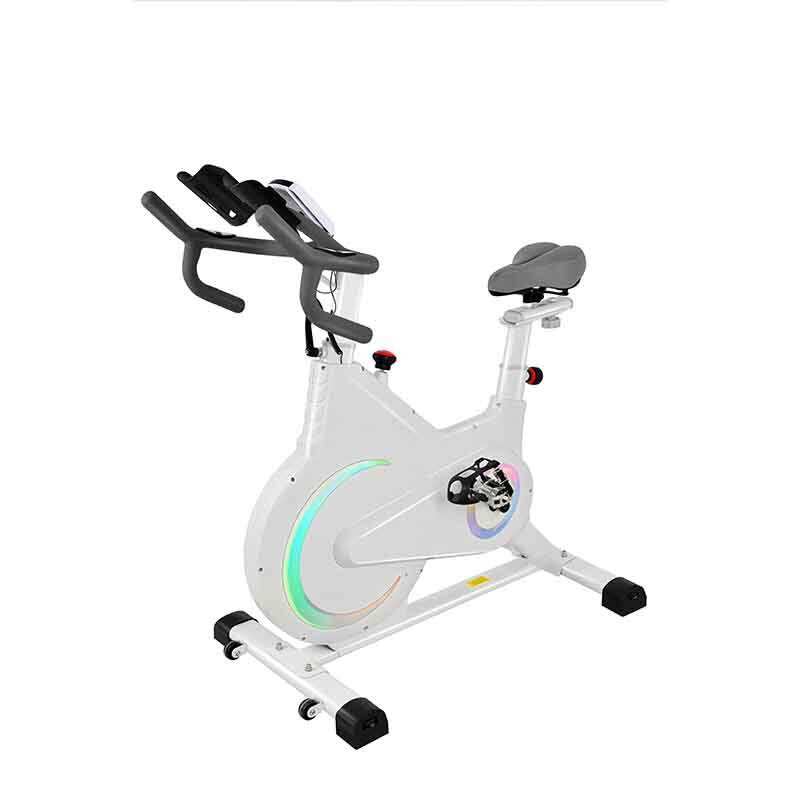
Maximizing Calorie Burn with Spinning Bike Workouts
Understanding Calorie Expenditure on a Spinning Bike
Spin bike sessions really crank up the calorie burn because they work those big leg muscles hard. What sets them apart from regular stationary bikes is the adjustable resistance plus all those dynamic moves people can do, like standing up during climbs. Some studies suggest this kind of workout burns around 30% more calories than just riding casually on a standard bike according to Exercise Science Quarterly last year. The extra intensity comes from how these bikes mimic actual outdoor conditions, which means riders need to coordinate their muscles better while pushing their heart rates higher at the same time.
Fat Burning and Metabolic Benefits of Stationary Cycling
Consistent spinning elevates fat oxidation rates, particularly when maintaining 60-70% of maximum heart rate. A 2024 study found that three weekly 30-minute sessions reduced visceral fat by 4.2% over eight weeks. The sustained effort also enhances insulin sensitivity, aiding long-term metabolic health by improving glucose uptake in active muscles.
Comparing Calorie Burn: Spinning vs. Other Cardio Workouts
| Activity | Calories Burned (30 mins) | Afterburn Duration |
|---|---|---|
| Spinning | 290-430 | 2-4 hours |
| Treadmill Running | 240-360 | 1-2 hours |
| Rowing Machine | 200-320 | 0-1 hour |
| Research from Exercise Science Quarterly (2023) confirms spinning outperforms most cardio modalities in both immediate and post-workout calorie expenditure due to its blend of aerobic endurance and anaerobic bursts. |
How Workout Intensity Affects Metabolic Rate Post-Exercise
When people do high intensity intervals like sprinting for 30 seconds then resting for 90, their bodies experience something called excess post exercise oxygen consumption or EPOC for short. The afterburn effect from these workouts can actually keep metabolism elevated by around 10 to 15 percent for as long as 14 hours afterward, which means burning somewhere between 90 and 150 extra calories even when sitting on the couch later that day according to research published in the Journal of Sports Medicine back in 2022. Spinning bikes offer great variability in resistance levels, making them perfect tools for creating those kinds of interval sessions that really get the heart rate up and down throughout the workout session.
Data-Driven Results: Average Calories Burned in a 30-Minute Session
A 165-pound adult burns 310-390 calories in 30 minutes of vigorous spinning, depending on cadence and resistance. For context, this equals approximately 50% more calorie burn than moderate-paced running (American Council on Exercise, 2023), highlighting spinning's efficiency as a time-effective cardio modality.
Effective Weight Loss Strategies Using a Stationary Bike
Can you lose belly fat by riding a stationary bike?
Riding a stationary bike works pretty well for cutting down on that stubborn belly fat because it keeps the heart rate up for longer periods. Some research back in 2010 showed people who did about 45 minutes three times a week along with eating better managed to lose around 8% of their abdominal fat within just 12 weeks. What makes spinning so effective is how the resistance against the pedals actually works those core muscles without even realizing it. Most folks burn somewhere between 400 to 600 calories an hour depending on intensity, which helps melt away fat all over the body, especially noticeable around the midsection after consistent workouts.
How long should you use a spinning bike daily to lose weight?
When trying to lose weight in a healthy way, people generally do best with workouts lasting between 30 to 60 minutes each day at around 65 to 75 percent of their max heart rate. Spending time in this heart rate zone helps burn fat without losing too much muscle along the way. Beginners on bikes might want to begin with just 15 minute chunks at first, then slowly build up as they get stronger and more comfortable. The truth is, sticking with it regularly works wonders compared to focusing only on how long each workout lasts. Someone who rides five times a week for 30 minutes typically sees better progress than someone cramming everything into one long ride on Saturday.
Debunking myths: Spinning bike use for weight loss — facts vs. fiction
Many people think just hopping on a stationary bike will make them lose weight, but that's not really how it works. A calorie deficit of around 300 to 500 each day is still what matters most for shedding pounds. Spinning classes can burn roughly 12 to 16 calories per minute during the workout itself. However, folks often eat way too much after exercising which cancels out all those calories burned. There's also this whole idea about working out in a so called "fat burning zone" that keeps getting repeated, even though research shows otherwise. Actually, when someone does high intensity interval training, they tend to lose more fat overall because their body continues burning calories long after the workout ends thanks to something called excess post oxygen consumption or EPOC for short. So while moderate steady state cardio has its place, mixing in some harder efforts might be better for fat loss goals.
Case study: 12-week spinning program and body weight reduction
A landmark 12-week clinical trial on combined cycling and nutrition strategies demonstrated spinning's efficacy. Overweight participants completing 36 sessions while maintaining a 1,200-calorie diet lost 11.2 lbs on average. Their body fat percentage dropped 4.3%, with LDL cholesterol decreasing 18%—proving structured programs deliver holistic metabolic benefits beyond scale changes.
Boost Fat Loss with Interval Training on a Spinning Bike
When doing high intensity interval training on a spinning bike, people alternate between short bursts of maximum effort and active recovery periods, which basically turns their body into something like a calorie burning machine. Research from around 2017 showed that folks who stuck with this kind of workout lost about 10 percent body fat over 12 weeks, similar results to regular cardio but done in roughly half the time. These days most spin bikes come equipped with adjustable resistance settings and ways to track how fast someone is pedaling, so they work really well for setting up specific interval routines without too much guesswork involved.
- Beginners: Start with 1:3 work-to-rest ratios (30-second sprints followed by 90-second recovery)
- Advanced: Progress to 2:1 ratios with hill simulations (2-minute climbs at 80% max effort, 1-minute descents)
Adjusting resistance by 20-30% between intervals triggers excess post-exercise oxygen consumption (EPOC), keeping metabolism elevated for up to 24 hours post-workout. Research from leading kinesiology journals confirms this afterburn effect burns 9-15% more calories than steady-state rides.
The rise of studio cycling classes reflects HIIT's effectiveness—63% of frequent riders report improved body composition within 8 weeks. Whether through instructor-led sessions or self-guided programs, the key lies in periodizing intensity rather than chasing arbitrary calorie counts.
Adjusting Resistance and Cadence for Optimal Fat-Burning Results
| Parameter | Fat-Burning Zone | Performance Zone |
|---|---|---|
| Resistance Level | 40-60% capacity | 70-90% capacity |
| Cadence | 80-90 RPM | 60-70 RPM |
Alternate between zones every 3-5 minutes to prevent metabolic adaptation. A 2024 cycling efficiency analysis shows riders maintaining 85-90 RPM at 50% resistance torch 27% more fat than those grinding at low cadences with high resistance. Efficient pedaling technique maximizes energy transfer while minimizing joint strain.
Toning Muscles and Improving Body Composition
Targeted lower body muscles during spinning sessions
When people hop on spinning bikes for their workout, they're actually working out most of the big muscles in their legs with those continuous pedal movements. The quads kick in when pushing down on the pedals, hamstrings get activated as riders pull up, and glute muscles come into play especially when someone stands up to pedal harder. The calf muscles stay busy too, keeping the ankles steady throughout the ride. Meanwhile, core strength becomes important for maintaining good posture, something that really matters when tackling those tough hill climbs or blasting through sprint intervals at maximum effort.
Building strength, endurance, and muscle tone over time
Spinning regularly builds strength because most bikes let riders adjust resistance as they go along. People who hit the spin class four times a week saw their leg press power jump about 22% after three months according to research published last year. And not only that, their ability to keep going on the bike improved around 40% too. What makes this workout so effective is how it keeps muscles working continuously without letting them rest much between sets. This constant effort tones things up pretty well without making legs look like tree trunks. Most people find their everyday activities get easier after sticking with it for a while.
Can you get in shape using only a spinning bike?
Spinning bikes are great for working those legs, but if someone wants to get really fit they need to work their upper body too. Some research done over 12 weeks showed interesting results though people who just used spinning bikes still managed to drop about 13 percent body fat and actually gained around 6 percent lean muscle mass. Still, most trainers would say combining spin sessions with some strength workouts makes sense for better overall results. Maybe do resistance exercises twice a week focusing on arms, shoulders and back muscles along with core work. That way the whole body gets attention instead of just the lower half.
Scientific evidence: Spinning's impact on body composition, cholesterol, and triglycerides
Recent research highlights spinning's systemic benefits beyond muscular development. A 2023 metabolic study found 30-minute daily sessions reduced triglycerides by 18% and improved HDL/LDL cholesterol ratios by 14% in sedentary adults over 16 weeks. Participants also decreased visceral fat by 12%, demonstrating spinning's dual impact on aesthetic and cardiovascular health markers.
Supporting Results with Nutrition and Recovery
Role of Nutrition in Maximizing Spinning Bike Weight Loss and Toning
Getting the nutrition right really makes a difference when it comes to getting the most out of those spinning bike workouts. The body needs enough calories to fuel all that activity while also repairing muscles after each session. Some studies have shown interesting results too. People who did their daily spin classes and got around 1.6 grams of protein for every kilo they weighed kept about 23% more lean muscle while losing weight than folks in control groups according to Trials Journal from 2025. And don't forget about carbs either. Athletes who refilled their carb tanks with roughly 1.2 grams per kilogram within half an hour after riding saw their glycogen levels jump by 40%. That means they could keep going harder and longer in their next workouts. Water matters plenty too. Cyclists who drank back 150% of what they sweated out after a ride actually managed to put out 17% more power in their following sessions. Makes sense really, staying hydrated just helps everything work better.
Post-Workout Recovery Strategies for Sustained Performance
Optimal recovery transforms spinning bike efforts into lasting body composition changes. A 2025 meta-analysis found athletes implementing:
- Active recovery phases (10 minutes at 50% max heart rate) reduced muscle soreness by 32%
- Sleep extension protocols (7-9 hours nightly) elevated fat oxidation rates by 19%
- Cold-water immersion (15°C for 10 minutes) accelerated strength recovery by 27%
Compression garment studies further demonstrate 14% greater muscle oxygenation during 24-hour recovery periods compared to passive rest, crucial for frequent spinners aiming to maintain training frequency without overtraining.
FAQ
How many calories can I burn in a 30-minute spinning session?
You can burn between 290 to 430 calories in a 30-minute spinning session, depending on your intensity and resistance levels.
Is spinning effective for losing belly fat?
Yes, spinning is effective for losing belly fat by maintaining a high heart rate and engaging core muscles, resulting in fat loss around the midsection.
How often should I spin to lose weight?
To lose weight, it's recommended to spin regularly for about 30 to 60 minutes each day, focusing on a consistent routine of at least five times a week.
Can I rely solely on spinning for overall fitness?
While spinning is great for lower body workout, combining it with resistance training for upper body can provide a more comprehensive fitness routine.