
 EN
EN
 AR
AR
 BG
BG
 HR
HR
 CS
CS
 DA
DA
 NL
NL
 FI
FI
 FR
FR
 DE
DE
 EL
EL
 HI
HI
 IT
IT
 JA
JA
 KO
KO
 PL
PL
 PT
PT
 RO
RO
 RU
RU
 ES
ES
 SV
SV
 ID
ID
 UK
UK
 ET
ET
 GL
GL
 HU
HU
 MT
MT
 TR
TR
 FA
FA
 AF
AF
 GA
GA
 HY
HY
 AZ
AZ
 KA
KA
 UR
UR
 BN
BN
 LA
LA
 UZ
UZ
 KU
KU
 KY
KY
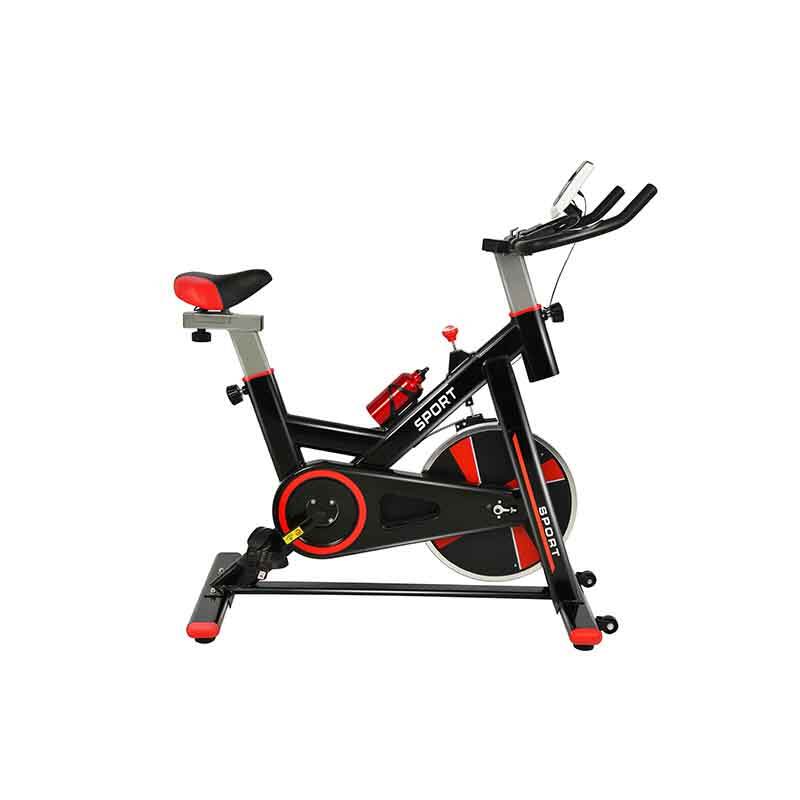
Understanding the Exercise Bike as a Full-Body Training Tool
How an Exercise Bike Supports Full-Body Engagement Beyond Leg Workouts
Most people think of exercise bikes as just leg workouts, but newer dual action models actually work almost the whole body at once. The best ones have those handlebars that move back and forth in time with the pedals, so when someone pushes down on the foot pedals, they're also pulling or pushing the handles. This means muscles in the arms, chest, back, even the abs get worked during each spin around the bike. What makes these machines special is how they combine regular cardio with strength elements, turning what was once just a boring ride into something that feels more like real exercise.
Muscle Groups Targeted During Cycling, Including Glutes, Core, and Upper Body with Dual-Action Bikes
Stationary biking engages multiple muscle groups beyond the quadriceps and calves:
- Glutes: Resistance cycling at 70-80 RPM increases glute activation by 22% compared to flat-road cycling (ACE Fitness 2022)
- Core: Maintaining proper posture requires continuous engagement of abdominal muscles for stability
- Upper Body: Dual-action bikes boost calorie burn by 15-20% over standard models by incorporating arm-driven resistance, effectively working the upper limbs
This broader muscle recruitment enhances both strength development and metabolic efficiency during each ride.
The Role of Posture and Resistance in Activating Secondary Muscle Groups
Changing how we position our bodies and what level of resistance we use makes a big difference in which muscles get worked during exercise. When someone leans forward about 10 to maybe even 15 degrees, the workload moves away from those front thigh muscles (quads) and onto the back of the legs (hamstrings) plus the butt muscles (glutes). Standing up while climbing really works those calf muscles too, and gets the core muscles involved much more intensely. If someone sets their resistance around two thirds to three quarters of what they can handle at max, they create enough tension in the muscles that's actually comparable to doing regular weight training exercises. Take for example someone who weighs around 150 pounds riding a bike. At about 100 watts output, they'll burn somewhere between six and eight calories every single minute just pedaling away, all while their hip stabilizers and lower back muscles are getting stronger too.
Incorporating HIIT and Interval Training on a Stationary Bike
Interval Training on a Stationary Bike (HIIT, Fartlek, Power Intervals) for Maximum Calorie Burn
Stationary bikes become much more effective for burning fat and improving heart health when combined with high intensity interval training (HIIT). The basic idea is simple enough: riders alternate between short bursts of intense effort lasting anywhere from 30 seconds to almost two minutes, followed by brief recovery periods. Research suggests this approach can actually burn around 30 percent more calories than just riding at a steady pace all the time. There are different ways to implement these intervals too. Some people prefer Fartlek style workouts where they randomly switch intensities during their ride, whereas others stick to structured power intervals that push them hard for longer durations. These varied approaches help build both aerobic endurance and the ability to sustain maximum effort over time, which is basically what we call anaerobic capacity in fitness circles.
How the Exercise Bike Allows for HIIT and Interval Training with Adjustable Resistance
Today's exercise bikes come equipped with magnetic resistance systems that let users fine tune their workouts with over 100 different settings plus instant performance tracking. According to research published last year, people who trained on bikes with adjustable resistance actually burned around 18 percent more fat compared to folks stuck on basic models because they could better control their sprint intervals and recovery periods. Getting the seat at the right height and adjusting handlebars properly makes a big difference too. When positioned correctly, these adjustments help maintain good posture throughout the workout and activate extra muscle groups including the core when doing standing climbs, which most people overlook completely.
Sample High-Intensity Interval Protocol for Fat Loss and Stamina Gains
This evidence-based 35-minute protocol maximizes fat loss and endurance gains:
- Warm-up: 8 minutes at Resistance Level 5 (70 RPM)
-
Work phase: 8 cycles of:
- 45 seconds at Level 16 (90+ RPM)
- 75 seconds at Level 8 (60 RPM)
-
Cool-down: 5 minutes at Level 4
Participants following this plan increased VO₂ max by 14% and burned over 500 calories per session. Progress by adding 10 seconds to sprint intervals weekly.
Designing Progressive Workout Plans for Different Fitness Levels
Stationary Bike Workout for Beginners: Building Consistency and Baseline Endurance
New riders should start with 15-20 minute sessions at 55-65% of maximum heart rate, focusing on three weekly rides with low resistance. Prioritizing proper posture and consistent cadence (70-80 RPM) builds foundational endurance. According to a 2022 ACE study, 82% of beginners improved cardiovascular fitness within four weeks using this gradual approach.
Workout Modifications for Intermediate and Advanced Riders Using Resistance and Duration
Intermediate and advanced cyclists can increase challenge through strategic adjustments:
- Resistance intervals: Alternate 2-minute climbs at 85% effort with 1-minute recovery phases
- Endurance stacking: Increase weekly riding time by 10% while maintaining optimal cadence (75-80 RPM)
- Hybrid protocols: Combine 30-second high-resistance sprints with 4-minute moderate-effort segments
These methods promote sustained progress and prevent adaptation plateaus.
Progressive Overload and Training Volume Adjustments for Long-Term Fitness Goals
To continue making gains, apply the principle of progressive overload by increasing resistance by 5-7% every 10-14 days. Gradual increases in duration, frequency, or intensity stimulate muscular and cardiovascular adaptation. Advanced riders should incorporate cross-training and recovery days to minimize overuse injuries and support long-term performance improvements.
Maximizing Weight Loss and Calorie Burning Potential with an Exercise Bike
Exercise Bike for Weight Loss and Calorie Burning: Understanding Energy Expenditure
Exercise bikes are pretty good for losing weight since they let people adjust how many calories they burn over time. Some models work better because they get the whole body involved, especially when someone actually grabs those handlebars during workouts. Mixing regular spinning sessions with short bursts of intense effort makes a real difference too. People who do this kind of mixed training often find themselves burning extra calories even after finishing their workout, sometimes around 20% or so more than usual. This helps with getting rid of stubborn fat faster without having to spend hours on the machine.
Optimizing Heart Rate Zones for Fat Loss and Recovery Phases
To get the most out of weight loss efforts, aim for around 70 to 80 percent of your maximum heart rate during those tough workout bursts when burning fat is most efficient. Then cool down with some light activity keeping the heart rate between about 50 and 60 percent. The science behind this approach is pretty interesting actually it creates what's called an afterburn effect where the body keeps working harder to process everything even after the workout ends. Newcomers might want to begin with shorter sessions lasting roughly 20 to 30 minutes while staying within the 60 to 70 percent range of their max heart rate. As strength and endurance build over time, they can slowly crank up both how hard and how long these workouts last without getting overwhelmed too quickly.
Combining Cardio and Strength for Balanced Full-Body Conditioning
Integrating off-bike strength training with cycling for full-body results
Combining cycling with some form of resistance work makes for a well rounded fitness approach. Cycling mainly works those leg muscles, but when we throw in stuff like push ups, rows or planks, we hit all parts of the body properly. Research published in the Journal of Sports Science back in 2023 showed something interesting too. Cyclists who did full body strength sessions about three times weekly saw their power output jump around 18 percent while also cutting down on injuries. The timing matters though. Most folks find it works best to do strength days separate from really hard riding days so the body actually gets time to recover between sessions.
Cross-training benefits for full-body conditioning and injury prevention
Adding things like yoga sessions, a swim now and then, or some weights to a cycling routine really helps out because it keeps those joints moving better and fixes those muscle imbalances that happen when we do the same motions over and over again. When athletes mix up their workouts, they avoid getting stuck in a rut since different exercises tap into various parts of the body's energy reserves while spreading out the wear and tear on muscles. Take someone who does intense spin classes but also throws in some push ups and squats at home. That combination gives them both heart health perks and stronger muscles, which makes them better all around athletes. Plus, this kind of balanced approach cuts down on injuries caused by doing too much of one thing without giving other areas attention.
FAQ
Can an exercise bike help with full-body workouts?
Yes, modern exercise bikes especially dual-action models can engage multiple muscle groups including arms, chest, and core, beyond the usual leg muscles.
How effective are exercise bikes for weight loss?
Exercise bikes can be effective for weight loss as they allow for adjustable calorie burns, and interval training can increase calorie expenditure even after workouts.
What is the best way to use an exercise bike for building endurance?
Beginners should start with low-resistance, short-duration sessions focusing on consistent cadence to build foundational endurance gradually.
How can I integrate strength training with cycling for optimal results?
Combining cycling with off-bike strength exercises like push-ups or planks ensures full-body conditioning and reduces injury risks.
Table of Contents
- Understanding the Exercise Bike as a Full-Body Training Tool
- Incorporating HIIT and Interval Training on a Stationary Bike
- Designing Progressive Workout Plans for Different Fitness Levels
- Maximizing Weight Loss and Calorie Burning Potential with an Exercise Bike
- Combining Cardio and Strength for Balanced Full-Body Conditioning
- FAQ