
 EN
EN
 AR
AR
 BG
BG
 HR
HR
 CS
CS
 DA
DA
 NL
NL
 FI
FI
 FR
FR
 DE
DE
 EL
EL
 HI
HI
 IT
IT
 JA
JA
 KO
KO
 PL
PL
 PT
PT
 RO
RO
 RU
RU
 ES
ES
 SV
SV
 ID
ID
 UK
UK
 ET
ET
 GL
GL
 HU
HU
 MT
MT
 TR
TR
 FA
FA
 AF
AF
 GA
GA
 HY
HY
 AZ
AZ
 KA
KA
 UR
UR
 BN
BN
 LA
LA
 UZ
UZ
 KU
KU
 KY
KY
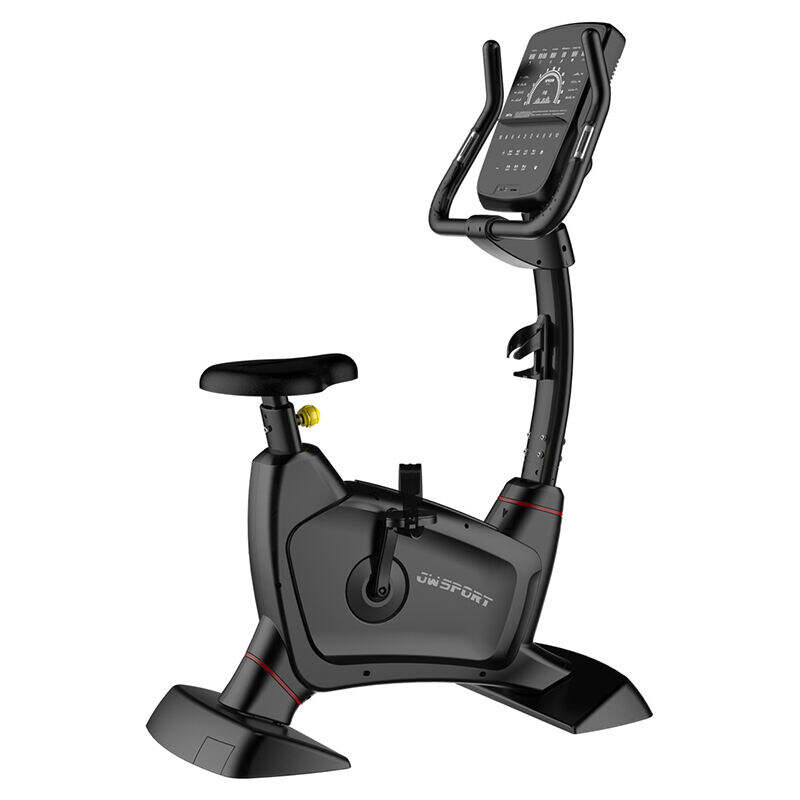
Interactive Touchscreen and Real-Time Performance Tracking
Importance of an interactive touchscreen display in modern Exercise Bikes
The touchscreen on modern exercise bikes is now pretty much essential, swapping out those old button panels nobody really liked. Riders just tap to change resistance levels, flip between different workouts, or even watch their favorite shows while pedaling away. These screens make everything so much easier to navigate, which keeps people coming back instead of getting frustrated and giving up. And let's face it, nobody wants sore eyes after spending hours on their stationary bike. The sharp displays help with that, making long rides at home actually bearable for those trying to rack up miles without leaving the house.
Integration with platforms like Peloton, IFIT, and Zwift for immersive workouts
The best indoor cycling bikes these days team up with major fitness apps so people can take part in high-end workout classes right on their bike screens. Riders get to join international races against others around the world or pedal through beautiful landscapes like those mountain roads in Switzerland all the way down to Manhattan streets. Take Zwift for instance – when a bike works with their system, it creates realistic draft effects just like what happens outdoors and adjusts hills as cyclists would experience them during actual rides. Some folks even say they feel like they're actually there when the resistance increases suddenly as if climbing a real slope.
Real-time metrics tracking: speed, distance, calories, RPM, and watts
The latest models can monitor over fifteen different metrics at once, things like power output measured in watts and how fast someone is pedaling in RPMs. High end bikes come equipped with special dual sided pedals these days that actually detect when one leg is working harder than the other. Research from last year's sports science journal indicated this kind of imbalance detection cuts down injury risks somewhere around 15 to 20 percent. Having access to all this data helps riders tweak their pedal stroke and keep tabs on how much they're pushing themselves over time. Pretty important stuff whether someone is training for a marathon or doing those intense HIIT workouts.
Onboard workout programming and user interface responsiveness
Preloaded programs like hill climbs, intervals, and endurance rides eliminate decision fatigue. Lag-free navigation is critical—a 2024 UX analysis found bikes with sub-0.3s touch response times had 42% higher user retention than slower models. Look for systems offering one-tap adjustments to seat height or handlebar position during workouts.
Trend analysis: How touchscreen consoles enhance user engagement and adherence
Data from 12,000 fitness users reveals bikes with coaching-enabled touchscreens see 67% higher 6-month adherence rates versus basic models. Gamified elements like achievement badges and live leaderboards trigger dopamine release, creating a feedback loop that transforms sporadic exercisers into committed athletes.
Seamless Connectivity and Fitness App Ecosystem Integration
Seamless Exercise Bike Integration with Fitness Apps and Third-Party Platforms
These days, modern exercise bikes have become much more than just cardio machines they act as central points for managing overall health too. According to recent surveys from Wellness Tech in 2024, around three out of four people look for bikes that work with their current fitness applications. Big bike makers team up with services such as MyFitnessPal and Apple Health to build these connected systems that bring together food logs, heart rates, and past workouts into one place. What we're seeing here is part of a bigger picture in fitness technology. The major health platforms are starting to focus on making different devices talk to each other rather than keeping track of workouts in isolation anymore.
Syncing Performance Data with Strava, MyFitnessPal, and Apple Health
When data syncs in real time, it basically gets rid of those pesky mistakes from manual logging and gives people actual information they can work with. Take cycling for instance. Bikes that send power numbers (measured in watts) and how fast someone is pedaling (RPM) straight to Strava let riders compare their indoor training sessions against what happens outside on the road. Most modern devices have both Bluetooth and ANT+ connections these days, which works with pretty much everything out there - maybe around 95% or so of all wearable tech. And don't worry about privacy issues either since the data transfer process is protected through encryption protocols that keep personal health info safe throughout the whole journey from device to app.
Bluetooth and Wi-Fi Connectivity for Real-Time Updates and Live Classes
Dual-band Wi-Fi reduces latency to <200ms during live cycling classes, matching studio reaction times. Bluetooth 5.3 chipsets enable simultaneous connections to heart rate monitors, headphones, and smart mirrors. Users streaming 4K classes consume 2.1GB/hour—bikes with Wi-Fi 6 support deliver the 40Mbps throughput needed for buffer-free playback.
Case Study: User Retention Rates on Bikes with Full App Ecosystem Support
A 2023 industry analysis found bikes with integrated ecosystems retained 40% more users annually than standalone models. Platforms enabling cross-service API integrations saw 35% higher engagement through auto-populated wellness dashboards combining workout, sleep, and hydration data.
Strategy: Choosing an Exercise Bike Based on Digital Ecosystem Compatibility
- Verify API access to your primary health/fitness apps
- Confirm dual wireless protocols (Bluetooth + Wi-Fi)
- Test third-party wearable pairing during trial periods
Bikes lacking developer SDKs or Webhooks for custom integrations risk obsolescence as app ecosystems evolve.
Ergonomic Design and Adjustable Fit for All Users
Ergonomic Design and Adjustability of Seat and Handlebars
High quality exercise bikes focus on adjustability because getting the right fit matters a lot for joints and muscles. The latest research from Biomechanics in Fitness Equipment (2023) shows that models with at least 12 different adjustment points cut down on muscle and bone strain by nearly 40% when compared to those fixed position machines people often complain about. When shopping around, check if the seat can move up between 4 inches to 12 inches vertically, and whether the handlebars offer about 15 degrees of tilt flexibility. These adjustments really make a difference for folks ranging from someone who's only 4 foot 10 inches tall all the way up to 6 foot 6 inches. Getting this right helps prevent injuries and makes workouts actually enjoyable instead of painful.
Ensuring Proper Fit Across Diverse User Heights and Physiques
Over 67% of riders experience discomfort on one-size-fits-all bikes according to a 2024 Human Factors in Equipment Design study. Top models address this through:
- Seats with horizontal sliding rails (up to 6” travel)
- Dual-sided pedals supporting shoe sizes 5–13
- Telescoping handlebars extending 10”–16” from seat
Long-Term Comfort and Injury Prevention Through Correct Alignment
Improper bike fit increases patellofemoral stress by 29% (Journal of Sports Medicine, 2023). Proper adjustments maintain:
- 25°–35° knee flexion at pedal’s lowest position
- Neutral spine with 110° torso-to-thigh angle
- Relaxed shoulder positioning (handlebars at sternum height)
Controversy Analysis: One-Size-Fits-All vs. Personalized Ergonomics in Exercise Bikes
While 72% of budget bikes use fixed geometries, Consumer Reports (2023) shows adjustable models have 41% higher satisfaction rates. Hybrid solutions like Schwinn’s modular padding kits demonstrate how manufacturers balance customization (15% production cost increase) against mass-market pricing constraints.
Durability, Build Quality, and Resistance System Performance
Key indicators of durability: flywheel weight, frame sturdiness, and materials
For an exercise bike that lasts, look for frames made from steel or aluminum alloy at least 14 gauge thick. Pair this with a flywheel weighing around 40 to 50 pounds for smoother rides without jerky movements. The joints need to be properly welded together so they don't come loose when someone is really pushing hard during workouts. Sealed bearings help keep things stable too. And don't forget about those powder coat finishes which stand up better against sweat damage than regular paint does. According to some tests on how durable different bikes are, bikes built this way tend to have about 30 to maybe even 50 percent fewer problems needing repairs after being used regularly for five whole years.
Warranty coverage as a proxy for manufacturer confidence
Leading manufacturers back premium models with 10-year frame warranties and 3-year parts coverage—a clear indicator of expected longevity. Shorter warranties (1–2 years) often signal cost-cutting in components like plastic pedal joints or thin-gauge steel frames.
Data point: Average lifespan of high-end Exercise Bikes by brand
Recent analysis shows properly maintained bikes with magnetic resistance systems average 7–10 years of reliable service before major repairs, outperforming budget models by 300% (Consumer Reports). Units with air or belt-driven resistance typically require belt replacements every 1–2 years.
| Resistance Type | Ride Feel | Maintenance Interval | Ideal Usage |
|---|---|---|---|
| Air | Wind-like resistance | Belt replacement annually | Light recreational |
| Magnetic | Smooth, adjustable | No regular maintenance | Daily training |
| Direct-Contact | Road-bike realism | Brake pad replacements every 6 months | Performance cycling |
How resistance type affects ride feel and maintenance needs
Looking at the numbers in the table, it's clear why magnetic systems rule the high-end fitness equipment scene these days. They run quietly and basically take care of themselves, which is exactly what most people want when they're working out at home without wanting to deal with noise complaints or constant repairs. The direct contact models do feel more like actual road biking though, since they simulate those real world conditions we all miss so much. But let's be honest, nobody really wants to spend their weekend swapping pads or scrubbing down flywheels. If keeping things running smoothly without regular maintenance is important, then go for those fully sealed resistance units. These bad boys keep dust and humidity out thanks to solid sealing technology, making them ideal for folks who just want to jump on and ride without worrying about their machine falling apart after a few months of use.
Motivation, Community, and Goal-Aligned Workout Experiences
Role of Live and On-Demand Instructor-Led Classes in User Motivation
Modern exercise bikes leverage live-streamed classes to replicate studio energy, with 72% of users reporting higher effort levels when training alongside virtual peers. On-demand libraries address scheduling flexibility, allowing users to choose sessions aligned with their energy peaks—a critical factor for shift workers or parents.
Impact of Online Communities and Leaderboards on Exercise Adherence
Fitness communities fulfill the human need for connection and accountability, as noted in a 2023 MotivationCode study analyzing social dynamics. Leaderboards amplify effort through friendly competition, with users achieving 18% more monthly workouts when participating in group challenges.
Case Study: Peloton’s Community Model and Its Influence on Exercise Bike Design Trends
Peloton’s integration of shout-outs during rides and shared achievement badges created a blueprint for engagement. Competitors now prioritize features like live chat moderation and team-based milestones, recognizing that communal experiences reduce dropout rates by 34% compared to solo training.
Strategy: Matching Exercise Bike Features to Fitness Goals
| Fitness Goal | Key Exercise Bike Features |
|---|---|
| HIIT Training | Instant resistance changes, sprint intervals |
| Rehabilitation | Low-impact modes, heart rate alerts |
| Weight Loss | Calorie-tracking dashboards, HR zones |
| Endurance Building | Progressive programming, race simulations |
Aligning resistance curves, feedback systems, and class durations with user objectives ensures equipment becomes a tool—not a barrier—to sustained progress.
FAQ
Why are touchscreen displays important in modern exercise bikes?
Touchscreen displays on exercise bikes provide a more intuitive and user-friendly interface for adjusting settings, changing workouts, or consuming entertainment, enhancing the workout experience and increasing user retention.
How does real-time data tracking benefit users?
Real-time data tracking offers insights into performance metrics, enabling users to monitor their progress, identify areas of imbalance, minimize injury risks, and optimize workouts based on advanced metrics like RPM and watts.
What advantages do connected fitness ecosystems offer?
Connected ecosystems allow seamless integration of data with popular apps, eliminating errors caused by manual logging, providing comprehensive health management insights, and enhancing privacy through encrypted data transfers.
How does exercise bike adjustability contribute to user comfort?
Adjustable features reduce muscle and joint strain by allowing customization for diverse user physiques, enhancing comfort and preventing injuries during workouts.
What factors should be considered for exercise bike durability?
Durability factors include flywheel weight, frame materials like steel or aluminum alloy, quality of welds, sealed bearings, and protective finishes like powder coatings that prevent sweat damage.
Table of Contents
-
Interactive Touchscreen and Real-Time Performance Tracking
- Importance of an interactive touchscreen display in modern Exercise Bikes
- Integration with platforms like Peloton, IFIT, and Zwift for immersive workouts
- Real-time metrics tracking: speed, distance, calories, RPM, and watts
- Onboard workout programming and user interface responsiveness
- Trend analysis: How touchscreen consoles enhance user engagement and adherence
- Seamless Connectivity and Fitness App Ecosystem Integration
- Seamless Exercise Bike Integration with Fitness Apps and Third-Party Platforms
- Syncing Performance Data with Strava, MyFitnessPal, and Apple Health
- Bluetooth and Wi-Fi Connectivity for Real-Time Updates and Live Classes
- Case Study: User Retention Rates on Bikes with Full App Ecosystem Support
- Strategy: Choosing an Exercise Bike Based on Digital Ecosystem Compatibility
- Ergonomic Design and Adjustable Fit for All Users
- Durability, Build Quality, and Resistance System Performance
- Motivation, Community, and Goal-Aligned Workout Experiences
- FAQ