
 EN
EN
 AR
AR
 BG
BG
 HR
HR
 CS
CS
 DA
DA
 NL
NL
 FI
FI
 FR
FR
 DE
DE
 EL
EL
 HI
HI
 IT
IT
 JA
JA
 KO
KO
 PL
PL
 PT
PT
 RO
RO
 RU
RU
 ES
ES
 SV
SV
 ID
ID
 UK
UK
 ET
ET
 GL
GL
 HU
HU
 MT
MT
 TR
TR
 FA
FA
 AF
AF
 GA
GA
 HY
HY
 AZ
AZ
 KA
KA
 UR
UR
 BN
BN
 LA
LA
 UZ
UZ
 KU
KU
 KY
KY
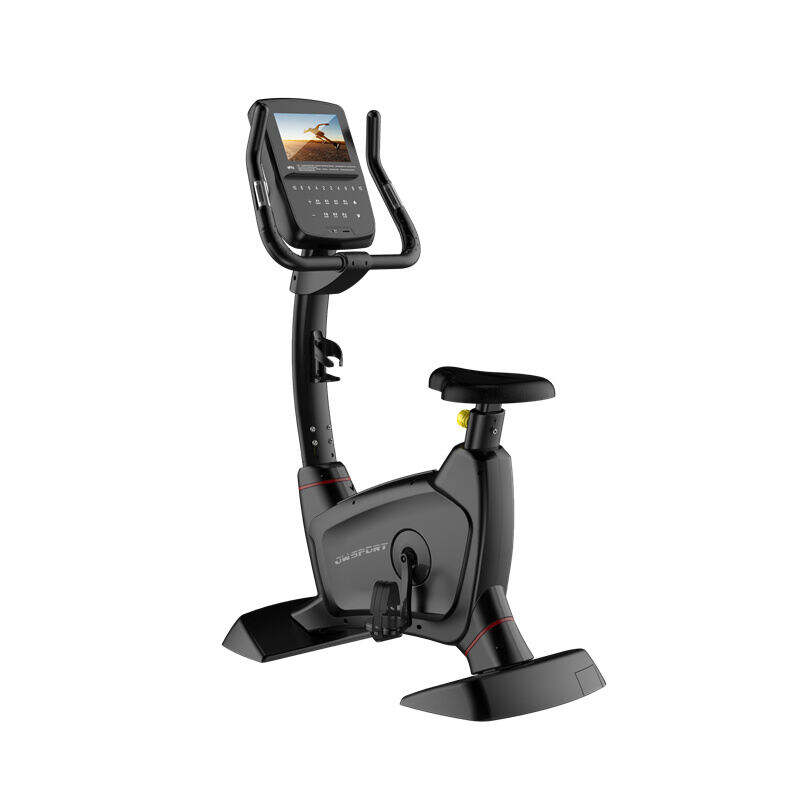
Frame structure, seat placement, and rider posture compared
Standard upright exercise bikes look a lot like regular bikes, with vertical frames and pedals underneath where someone sits. When riding one, people tend to lean forward naturally, which works those core muscles without even trying. Recumbent bikes are different though they have these comfy seats that slope back, with the pedals placed ahead of the rider. The way this positions the body creates something like a 120 to 135 degree angle at the hips, spreading out body weight over both back and hips area. According to Ergonomics Today from last year, this actually gives riders about 40 percent more stability compared to upright models. Makes sense why so many folks who struggle with balance issues find them easier to handle during workouts.
Seating comfort, back support, and joint-friendly design features
Recumbent bikes offer contoured seats averaging 22" wide–60% larger than those on upright bikes–with built-in lumbar support that reduces spinal compression by 35% (Biomechanics Research 2023). The reclined position also places 25% less stress on knee joints, while adjustable slide rails allow users to fine-tune leg extension without straining the hips.
Impact on knees, lower back, and overall workout comfort
A recent study published in the Journal of Sports Medicine found that when riding recumbent bikes, cyclists actually put about half as much stress on their knee joints compared to traditional upright cycling. This makes sense since the seated position takes pressure off those sensitive areas. On the flip side, upright bikes do work the back muscles more - around 28% increase in activity according to the research. That extra engagement might help build core strength but could be problematic for folks who already have back issues. Interestingly enough, heart rate measurements show little difference between the two types when resistance settings are kept equal. Most people won't notice much variation in cardiovascular effort regardless of which bike they choose.
Debunking the myth: Are recumbent bikes better for back pain?
Recumbent bikes get a lot of attention for helping with back pain issues, but some recent studies actually found something interesting. When upright bikes were properly adjusted, they helped reduce discomfort in about 6 out of 10 people with mild to moderate scoliosis problems, mainly because they improved how these individuals sat while riding. What really matters isn't so much whether someone chooses a recumbent or upright bike as it is getting the ergonomics right. Things like adjusting the distance between the seat and handlebars, making sure both pedals move smoothly through their range of motion these details make all the difference. And good news is professionals can help set this up correctly regardless of which bike type someone prefers.
Workout Performance: Muscle Engagement and Exercise Intensity on Each Exercise Bike Type
Muscles Worked: Full-Body Activation on Upright vs Lower-Body Focus on Recumbent
The upright riding position activates core stabilizers, quadriceps, hamstrings, and secondary upper-body muscles needed for balance. Recumbent bikes isolate lower-body muscle groups–quads, glutes, and calves–while minimizing core engagement. A 2023 biomechanical analysis found upright bikes generate 27% greater upper-body activation, making them more effective for full-body conditioning.
Resistance Levels, Workout Intensity, and Cardio Challenge Comparison
Upright exercise bikes generally handle much higher resistance levels, sometimes reaching around 400 watts while most recumbent models only hit about 250 watts on average. The difference really matters when pushing through tough hill climbs or sprint intervals. Looking at heart rate stats from the Cycling Performance Review study, people riding upright tend to get their hearts pumping about 12 to 15 percent harder during those 30 minute workouts. That kind of elevated heart rate means a tougher cardiovascular workout overall compared to what recumbent bikes can deliver.
Case Study: EMG Data on Muscle Activation in Both Exercise Bike Positions
Electromyography (EMG) measurements highlight distinct activation patterns:
| Muscle Group | Upright Bike Activation | Recumbent Bike Activation |
|---|---|---|
| Quadriceps | 85% | 92% |
| Hamstrings | 78% | 62% |
| Core Muscles | 64% | 18% |
| Upper Back | 41% | 9% |
Data from the Journal of Sports Medicine (2023) confirms upright designs promote balanced muscular development, whereas recumbent models emphasize lower-body endurance.
HIIT Compatibility and Metabolic Demand by Bike Type
Upright bikes work really well for doing High Intensity Interval Training or HIIT as people call it these days. They let folks do those standing sprints and quickly change resistance levels when needed. Studies looking at metabolism have found that people who ride upright bikes actually burn around 18 to 22 percent extra calories in a 20 minute HIIT session compared to someone on a recumbent bike. On the flip side though, recumbent models allow riders to keep going at a steady pace for much longer periods, sometimes over an hour, while experiencing about 30% less stress on their joints. That makes them pretty good choice for anyone wanting to build up endurance over time without putting too much wear and tear on their body.
Fitness Goals: Matching Your Exercise Bike to Weight Loss, Cardio, and Endurance Objectives
Calorie burn and cardiovascular efficiency: Upright vs recumbent
Due to increased muscle recruitment and outdoor-cycling-like mechanics, upright bikes burn 12–15% more calories per 30-minute session. Their vertical posture supports stable heart rate elevation, contributing to 6–8% higher cardiovascular efficiency during steady-state exercise.
Heart rate response and VO2 max improvements over time
While recumbent bikes produce slightly lower peak heart rates (≈5–7 bpm less), they help deconditioned users stay in aerobic zones longer–beneficial for building foundational endurance. A 2024 Sports Medicine study found upright riders improved VO2 max 18% faster over 12 weeks, compared to 13% for recumbent users.
Strategies for aligning resistance, duration, and goals effectively
For weight loss:
- Combine upright bike HIIT (20-second sprints, 40-second recovery) with extended recumbent endurance rides
- Progressively increase resistance by 10–15% weekly while maintaining 70–80% of maximum heart rate
Research shows interval training paired with steady-state cycling increases calorie expenditure by 27% compared to single-mode routines.
Data Point: Average fitness gains after 8 weeks with each exercise bike
| Metric | Upright Bike | Recumbent Bike |
|---|---|---|
| Weight Loss | 3.2 kg | 2.1 kg |
| VO2 Max Improvement | 14% | 9% |
| Lower Back Pain | 22% Reduction | 38% Reduction |
Users prioritizing joint health showed better long-term adherence (+19%) with recumbent models despite slower initial progress.
User Suitability: Who Benefits Most from Upright or Recumbent Exercise Bikes?
Best Options for Seniors, Beginners, and Users with Mobility Limitations
People who ride recumbent bikes get great cardio workouts while putting about 38 percent less strain on their knees compared to regular upright bikes. The design features like the backward sloping seat and extra padding really take pressure off joints and give solid back support. That's why many seniors find these bikes comfortable after injuries or when dealing with arthritis issues. Some recent studies from last year showed something interesting too. Around four out of five people with mobility problems reported that getting on and off a recumbent bike was much simpler than traditional models. Makes sense considering how much better positioned everything is for folks who struggle with balance or flexibility.
Ease of Use, Accessibility, and Safety in Rehabilitation Settings
Recumbent bikes have this open frame setup and don't require much balancing, which makes them safer for people doing physical therapy. Many clinics actually see around 20-25% fewer strains when patients work out on these machines instead of upright ones. The reason? They pedal horizontally, something our bodies are pretty used to since it matches how most joints naturally move. People who've had hip replacement surgeries or back operations find these bikes especially helpful because they can adjust the resistance levels as needed. This lets therapists gradually increase difficulty without risking setbacks in recovery.
Why Recumbent Bikes Are Gaining Popularity in Senior Wellness Programs
Senior fitness programs incorporating recumbent bikes have seen 33% higher adherence over six months (2024 Active Aging Report). Enhanced stability and reduced vertigo risk address common concerns among older adults, while integrated handlebars assist safe transitions for those with limited mobility.
Considerations for Athletes and Advanced Users Seeking Performance Gains
Upright bikes better serve athletes aiming for sport-specific conditioning, engaging 15% more core musculature during high-intensity intervals. Cyclists and triathletes benefit from the biomechanical similarity to road biking, with EMG data showing 22% greater quadriceps activation on upright models during sprint efforts.
Practical Factors: Space, Setup, and Long-Term Use of Exercise Bikes at Home
Size, Footprint, and Space Requirements for Home Gym Integration
Upright bikes occupy 5–7 square feet, while recumbent models require 8–10 square feet due to their elongated frames. Compact upright designs with vertical storage options are ideal for small spaces. The Cardio Optimization Research Group recommends at least 3 feet of clearance around the unit for safe access.
| Model Type | Average Dimensions (LxW) | Recommended Space |
|---|---|---|
| Upright Bike | 40" x 20" | 5–7 sq ft |
| Recumbent Bike | 65" x 25" | 8–10 sq ft |
Portability, Storage Solutions, and Ease of Relocation
- Upright bikes are typically 25–45 lbs lighter than recumbent models and often include transport wheels for easy movement
- Recumbent bikes with split-frame designs allow partial disassembly for navigating narrow hallways
- Wall-mounted racks or under-bed trays maximize space for foldable upright units
Maintenance Needs and Durability Across Upright and Recumbent Models
Upright bikes require 30% fewer annual maintenance interventions due to simpler flywheel systems. Recumbent models need quarterly belt-tension checks because of their extended drive mechanisms. Durability studies show powder-coated steel frames on both types withstand over 1,200 hours of use when bolts are checked monthly.
FAQ
What is the main difference between upright and recumbent exercise bikes?
Upright exercise bikes have a vertical frame, resembling regular bicycles, while recumbent bikes feature a laid-back, comfortable seat with pedals positioned ahead, offering greater stability and reduced spinal stress.
Are recumbent bikes better for individuals with knee or back pain?
Recumbent bikes reduce stress on knee joints and offer lumbar support to minimize spinal compression, making them suitable for individuals with joint or back pain.
Which bike type is better for HIIT workouts?
Upright bikes are well-suited for High-Intensity Interval Training (HIIT) due to their ability to support standing sprints and quick resistance changes, resulting in higher calorie burn and cardiovascular intensity.
What are the space requirements for upright and recumbent exercise bikes?
Upright bikes typically require 5-7 square feet, whereas recumbent models need about 8-10 square feet due to their elongated frames and horizontal pedaling design.
Who benefits most from using recumbent bikes?
Recumbent bikes are ideal for seniors, beginners, and individuals with mobility limitations due to their joint-friendly design, ease of use, and accessibility in rehabilitation settings.
Table of Contents
- Frame structure, seat placement, and rider posture compared
- Seating comfort, back support, and joint-friendly design features
- Impact on knees, lower back, and overall workout comfort
- Debunking the myth: Are recumbent bikes better for back pain?
- Workout Performance: Muscle Engagement and Exercise Intensity on Each Exercise Bike Type
- Fitness Goals: Matching Your Exercise Bike to Weight Loss, Cardio, and Endurance Objectives
- User Suitability: Who Benefits Most from Upright or Recumbent Exercise Bikes?
- Practical Factors: Space, Setup, and Long-Term Use of Exercise Bikes at Home
-
FAQ
- What is the main difference between upright and recumbent exercise bikes?
- Are recumbent bikes better for individuals with knee or back pain?
- Which bike type is better for HIIT workouts?
- What are the space requirements for upright and recumbent exercise bikes?
- Who benefits most from using recumbent bikes?