
 EN
EN
 AR
AR
 BG
BG
 HR
HR
 CS
CS
 DA
DA
 NL
NL
 FI
FI
 FR
FR
 DE
DE
 EL
EL
 HI
HI
 IT
IT
 JA
JA
 KO
KO
 PL
PL
 PT
PT
 RO
RO
 RU
RU
 ES
ES
 SV
SV
 ID
ID
 UK
UK
 ET
ET
 GL
GL
 HU
HU
 MT
MT
 TR
TR
 FA
FA
 AF
AF
 GA
GA
 HY
HY
 AZ
AZ
 KA
KA
 UR
UR
 BN
BN
 LA
LA
 UZ
UZ
 KU
KU
 KY
KY
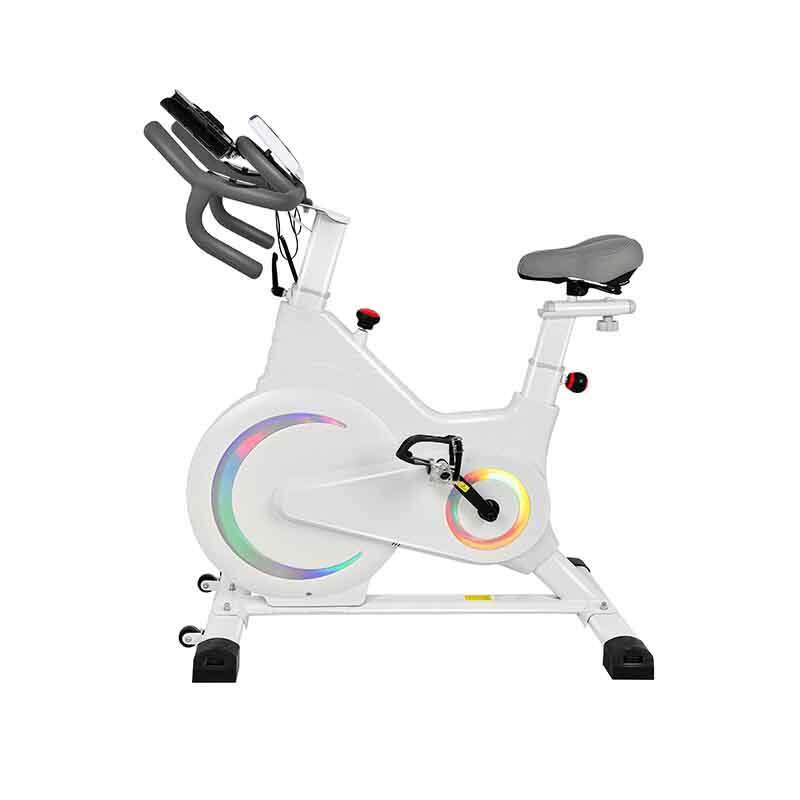
Essential Features to Look for in a High-Quality Spinning Bike
Flywheel Weight and Resistance System
The weight of a spin bike's flywheel, usually somewhere around 30 to 50 pounds, really affects how smooth the ride feels and just how intense the workout becomes. When we're talking about heavier flywheels, like those above 40 lbs, they create this momentum similar to what riders get on actual road bikes. This makes for a much more realistic feel and keeps things stable even when someone is pedaling at high speeds. Most people who have used these machines prefer magnetic resistance systems instead of the old friction pads. Why? Because magnets don't make noise, allow for fine tuning adjustments, and basically need almost no upkeep whatsoever. A recent report from the Fitness Equipment Association in 2023 found something interesting too. Bikes with at least 18 different resistance settings helped users burn about 22% more calories during those tough interval workouts. So it looks like having multiple resistance options isn't just nice to have, but actually plays a big role in getting better results from spinning classes.
Adjustable Seat and Handlebars for Ergonomic Fit
Getting the ergonomics right really matters if we want to stay comfortable during rides and avoid getting hurt. When shopping around, check out those 4 way adjustable seats that move both up down and side to side, plus handlebars that can be tilted to fit various body shapes and how people actually ride. Some studies from the Journal of Sports Medicine back in 2022 showed something interesting too. Bikes where riders could adjust their seats vertically by about 10 to maybe even 15 centimeters cut down on lower back pain issues by roughly a third according to what they found. The better quality bikes these days often come equipped with levers rather than just regular old knobs for making adjustments while cycling. This means cyclists don't have to stop halfway through their workout to fiddle around with settings anymore.
Console and Performance Tracking Capabilities
The better cycling consoles really boost rider involvement because they keep tabs on all those important numbers heart rate, RPMs, speed, distance covered, time spent riding, and power output in watts. Most modern models come equipped with Bluetooth these days, which means they can connect right to apps like Zwift or Peloton without any hassle. This connection transforms regular solo workouts into something much more engaging and social. According to a recent survey from last year, around 8 out of 10 cyclists said having at least five different stats showing up while they ride makes a big difference when it comes to seeing improvements over time and keeping their motivation levels high during longer sessions.
Stability, Build Quality, and Noise Level
The durability factor starts with a solid steel frame rated at 14 gauge or higher, plus a cross braced base that keeps things stable even when pushing hard through sprints or doing standing climbs. If noise is a concern, look for models that stay under 60 decibels, about the same level as someone talking normally across the room. Bikes with sealed bearings and belt drives tend to last much longer than those old fashioned chain systems most people are used to seeing. Consumer tests actually show these components can stick around three times as long before needing replacement. All these little details add up to something pretty important for anyone wanting their workout gear to perform reliably without making everyone else in the house want to move out because of all the racket.
Top Spinning Bike Types for Different User Needs
Best Spinning Bikes for Beginners on a Budget
Spinning bikes at the entry level range from around $400 to $800 and generally come with what most people need: magnetic resistance systems and adjustable seats that actually fit different body types. Sure, they don't have all the fancy digital screens or smartphone connections that some higher end models boast, but for someone just starting out, this basic setup works great for developing proper form and endurance. A quick look at customer feedback shows something interesting too - about four out of five new riders care way more about getting smooth resistance adjustments and finding a comfortable grip on those handlebars than having access to high tech gadgets. Most budget friendly spin bikes still pack in decent 30 to 40 pound flywheels which gives them that realistic road feel, plus sturdy steel frames that won't bend under regular use. For folks wanting to get into indoor cycling without breaking the bank, these mid priced options strike a pretty good balance between cost and quality.
Premium Smart Spinning Bikes with Interactive Coaching
Smart bikes in the $1500 to over $3500 range offer features like high definition screens, streamed exercise classes, and resistance adjustments that happen automatically. The built-in coaching creates something close to a spin class experience with changing digital landscapes and instant performance updates throughout workouts. According to the latest Interactive Fitness Report for 2024, about 6 out of 10 people in this market own Peloton compatible equipment. Those who use these advanced systems tend to stick with their routines around 34 percent more than folks working out on simpler machines. What makes these bikes effective isn't just the tech itself but how they keep riders coming back week after week, leading to actual progress in their fitness goals.
Compact and Foldable Models for Small Spaces
Compact spinning bikes work great in apartments or anywhere space is tight since they're designed to take up minimal room, sometimes as little as around 28 by 18 inches on the floor. A lot come with foldable handlebars these days, plus some have stands that let them stand upright when not in use, and most manufacturers throw in wheels so people can roll them around easily enough. What's interesting though is that even though they look small, about 8 out of 10 newer compact models actually use the same kind of drivetrain found in bigger commercial machines at gyms, which means they last just as long as regular sized spin bikes do. This development really opens up access to quality indoor cycling without needing to clear out an entire corner of the house for equipment.
How to Maintain Your Spinning Bike for Long-Term Performance
Routine Cleaning and Chain/Tension Maintenance
After each ride, give the bike frame, seat area, and handlebars a quick wipe down to stop sweat from causing rust problems over time. If the bike has either a chain or belt drive system, remember to put on some silicone lubricant about once a month. Check how tight everything is at least once a week too loose belts will actually make pedaling feel harder work, sometimes making things up to 15-20% less efficient depending on conditions. Don't forget those flywheel grooves either they need cleaning with a soft microfiber cloth every three months or so. Dust builds up there pretty fast and when left alone causes all sorts of issues from weird resistance patterns during workouts to parts wearing out way before they should.
Inspecting Parts and Preventing Common Wear Issues
Perform a monthly 10-point inspection to catch issues early:
| Component | Check For | Prevention Tips |
|---|---|---|
| Pedals/Cranks | Looseness, squeaking | Tighten bolts (15–20 Nm torque) |
| Resistance Belt | Fraying, slippage | Adjust tension knob; replace every 2–3 years |
| Bolts/Fasteners | Rust, stripped threads | Use threadlocker and a torque wrench |
| Handlebars/Seat | Wobbling during sprints | Verify clamp tightness and alignment |
Prompt replacement of worn components can extend your bike’s lifespan by 4–7 years, based on 2024 fitness equipment durability studies. Always use manufacturer-approved parts to maintain performance and safety standards.
Maximizing Your Workout: Tips for Effective Spinning Sessions at Home
Creating a Structured Training Plan Using Your Spinning Bike
Research from 2024 found that cyclists sticking to organized training plans stick with their workouts about 32% longer compared to folks winging it without any structure. Start off doing three 30 minute sessions each week, mixing in some steady paced rides on flat ground with those tough uphill climbs where the resistance changes constantly. Check out what numbers show up on your bike's display screen for things like how fast your legs are spinning (RPM) and how hard the pedals feel during resistance tests. Then slowly crank things up by around 5 to maybe even 10 percent every couple of weeks when you're ready. A look at recent fitness trends published by Harvard Health shows something interesting too. People who broke down their fitness targets into smaller steps saw improvements in heart health roughly 24% quicker than those just showing up randomly at the gym.
Integrating Interval Training and Goal Tracking
High-intensity interval training (HIIT) on a spinning bike burns 35% more calories per session than steady-state cardio, per a 2023 Journal of Sports Science report. Try this effective protocol:
- 5-minute warmup at 60 RPM
- 8 cycles of 30-second sprints (90+ RPM) followed by 1-minute recovery
- 5-minute cooldown
Pairing bikes with fitness tracking apps helps riders keep tabs on their heart rates, measure how much power they're putting out during rides, and see just how many calories burn off throughout workouts. People who actually watch their numbers tend to reach those 12 week fitness targets about 40% more often than folks who don't track anything at all, as seen in various user surveys across different online training communities. Some smart apps even adjust the resistance levels automatically depending on past performance data, making every session feel more tailored to individual needs rather than just going through the motions.
FAQ
What should I look for in a spinning bike if I'm a beginner?
Beginners should consider spinning bikes with adjustable features, magnetic resistance systems, and durable frames. While high tech features aren't necessary initially, ensure the bike provides smooth resistance adjustments and ergonomic settings for comfort.
How do I maintain my spinning bike?
Regular maintenance includes cleaning the bike after each use, lubricating the drive system monthly, and checking belt tension weekly. Conduct monthly inspections to catch wear issues early and replace worn components with manufacturer-approved parts.
What's the benefit of using a smart spinning bike?
Smart spinning bikes offer interactive workouts, automatic resistance adjustments, and connectivity with fitness apps. They provide a more engaging experience and can help maintain consistent fitness routines.