
 EN
EN
 AR
AR
 BG
BG
 HR
HR
 CS
CS
 DA
DA
 NL
NL
 FI
FI
 FR
FR
 DE
DE
 EL
EL
 HI
HI
 IT
IT
 JA
JA
 KO
KO
 PL
PL
 PT
PT
 RO
RO
 RU
RU
 ES
ES
 SV
SV
 ID
ID
 UK
UK
 ET
ET
 GL
GL
 HU
HU
 MT
MT
 TR
TR
 FA
FA
 AF
AF
 GA
GA
 HY
HY
 AZ
AZ
 KA
KA
 UR
UR
 BN
BN
 LA
LA
 UZ
UZ
 KU
KU
 KY
KY
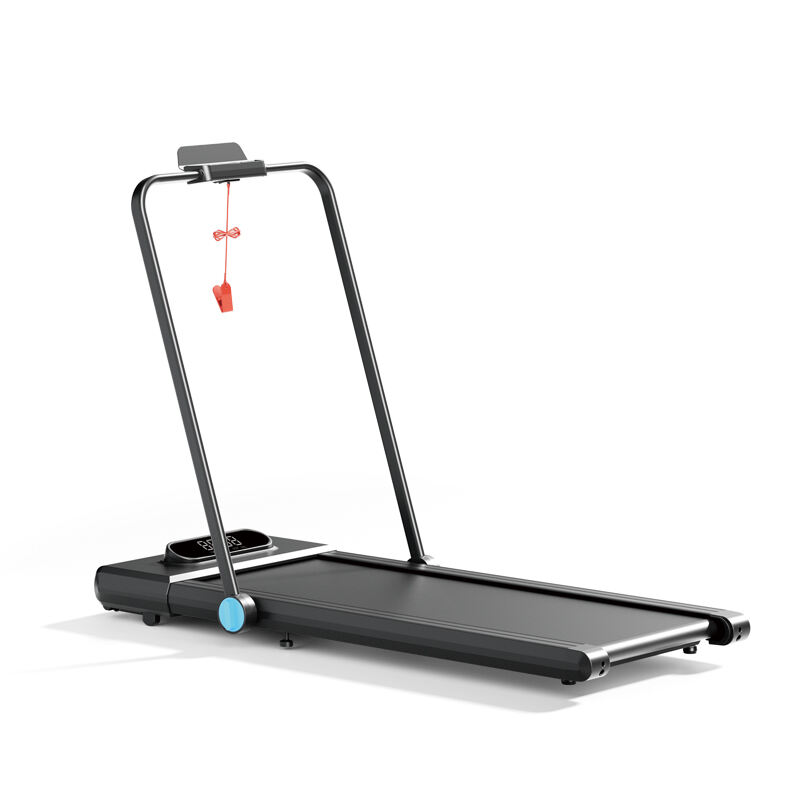
What Is a Fitness Walking Machine and How Does It Work?
Definition and Core Mechanism of a Fitness Walking Machine
Fitness walking machines come in two main varieties, motorized ones that actually move, or manual models where the person does all the work. These devices let people walk in place without going anywhere, which makes them quite different from regular treadmills meant for sprinting around. They're made for gentler exercise, moving at much slower speeds usually somewhere between half a kilometer per hour and ten kilometers per hour. The belts are smaller too, fitting nicely into home spaces. Electric versions run on pretty quiet motors, whereas the non-electric kind require users to push against resistance created by their own effort. According to research published last year, most folks who tried these walking machines reported less stress on their joints when compared to normal treadmills. That's why many find them great for longer sessions either at home or even in office settings where space might be limited.
Key Components and Technology Behind the Machine
Modern fitness walking machines combine three essential elements:
- Motorized belt systems: Designed for near-silent operation (often below 50 decibels), minimizing disruptions during work calls or household activities
- Adjustable inclines/declines: Replicate natural terrain changes, activating different muscle groups and enhancing workout variety
- Smart sensors: Track steps, distance, and calories burned, syncing data seamlessly to health apps via Bluetooth
Top-tier models emphasize portability, featuring foldable frames weighing under 30 kg. According to fitness equipment analysts, 67% of under-desk treadmills now include safety auto-stop mechanisms and cushioned surfaces to prevent slips during multitasking.
Top Features to Consider When Choosing a Fitness Walking Machine
Adjustable Speed Settings and Quiet Operation
Look for adjustable speed controls ranging from 0.5—4 mph to support everything from gentle strolls to brisk walking, meeting the needs of most users. Quiet performance is crucial—machines operating below 50 decibels ensure minimal distraction, ideal for shared living spaces or open-office environments.
Compact Design, Portability, and Under-Desk Compatibility
Space-saving design is key. Opt for models under 50 pounds with folding capabilities or integrated wheels for easy storage. For under-desk use, choose units under 55 inches long and less than 5 inches high to maintain ergonomic comfort. Research shows 78% of users favor portable designs that fit seamlessly beneath standard desks.
Smart Integration: App Connectivity and Performance Tracking
Many modern walking machines connect to smartphone apps via Bluetooth or Wi-Fi, allowing users to track steps, calories, and heart rate. Integration with platforms like Apple Health or Fitbit helps maintain consistency. Studies show app-connected devices improve adherence to daily walking goals by 43% compared to non-connected models.
Best Use Cases: Home Offices, Corporate Wellness Programs, and Rehabilitation
Enhancing Remote Work Routines with Light Exercise
For remote workers trying to maintain some sort of activity routine, fitness walking machines offer a great solution that doesn't mess with their work output. Taking short walks while on video conferences, handling phone calls, or even when working on important projects helps counteract what happens when someone sits for hours on end. Most people find that mixing in about 15 to 30 minutes of gentle walking throughout their daily schedule makes a real difference. Blood circulation gets better, those annoying lower back pains tend to ease up, and many report feeling more energetic overall. A study from Ergonomics International last year actually found energy levels went up between 12 and 18 percent for participants who incorporated this kind of movement into their day.
| Use Case | Application | Benefit |
|---|---|---|
| Virtual Meetings | Walking at 1—2 mph | Maintains focus while staying active |
| Focused Tasks | Slow-paced walking | Reduces sedentary time by 40—60% |
| Breaks Between Work Blocks | Moderate-paced intervals | Boosts metabolism and mental clarity |
For home offices, select models with quiet operation (under 55 dB) and slim profiles compatible with standing or sit-stand desks.
Supporting Employee Wellbeing in B2B and Enterprise Environments
Corporate wellness programs are increasingly incorporating fitness walking machines to counteract sedentary work habits. A 2024 survey of 1,200 companies found those offering active workstations report 23% higher productivity and 19% fewer sick days annually. These devices support workplace wellness by:
- Promoting movement without disrupting workflow
- Lowering healthcare costs tied to inactivity-related conditions
- Providing accessible exercise options for employees new to physical activity
Many providers now pair walking machines with wellness software, enabling HR teams to monitor participation and evaluate program impact. According to Business.com, 68% of employees in organizations with active wellness initiatives report greater job satisfaction—a significant factor in employee retention.
In rehabilitation settings, physiotherapists often recommend controlled walking sessions at 0.5—1.5 mph to help patients regain mobility after joint surgery or stroke, supporting safe, incremental recovery.
FAQs
What is the difference between a fitness walking machine and a regular treadmill?
A fitness walking machine is designed for gentler exercise with slower speeds and smaller belts compared to regular treadmills, which are intended for sprinting. It is excellent for home or office use with minimal stress on joints.
Can fitness walking machines be used in office settings?
Yes, these machines are ideal for office settings, particularly with their compact and quiet designs, allowing users to seamlessly integrate light exercise into their work routine.
Do fitness walking machines support Bluetooth connectivity?
Modern fitness walking machines often connect to smartphone apps through Bluetooth, enabling users to track steps, calories burned, and other health metrics.
How do fitness walking machines benefit corporate wellness programs?
These machines enhance employee productivity, lower healthcare costs, and provide accessible exercise options, promoting overall workplace wellness.