
 EN
EN
 AR
AR
 BG
BG
 HR
HR
 CS
CS
 DA
DA
 NL
NL
 FI
FI
 FR
FR
 DE
DE
 EL
EL
 HI
HI
 IT
IT
 JA
JA
 KO
KO
 PL
PL
 PT
PT
 RO
RO
 RU
RU
 ES
ES
 SV
SV
 ID
ID
 UK
UK
 ET
ET
 GL
GL
 HU
HU
 MT
MT
 TR
TR
 FA
FA
 AF
AF
 GA
GA
 HY
HY
 AZ
AZ
 KA
KA
 UR
UR
 BN
BN
 LA
LA
 UZ
UZ
 KU
KU
 KY
KY
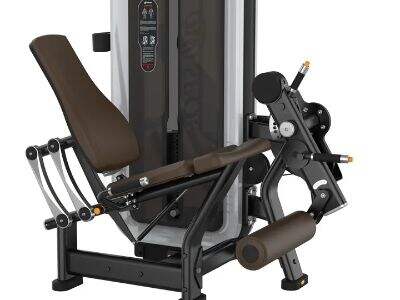
How to set the right seat height to keep your knees happy:
The seat height is one of the first adjustments you should make when you are installing your bicycle gym machine. Try this by standing next to the bike and setting the seat so it’s at hip height. This will allow you to maintain good riding form and reduce the chance of putting strain on either your knees or lower back. After adjusting your desired height, tighten the seat securely to keep it from moving when you ride.
Adjusting the height of the handlebars to minimize pressure on your back and shoulders:
After that, ensure the handlebars are at the correct height so your back and shoulders won’t bear the brunt of the workout. To determine this, simply stand in front of the bike holding the front wheel between your legs and adjust the handlebars so they are level with your elbows when you extended your arms straight out in front of you. This will enable you to maintain a position of comfort as you cycle and avoid injury. Now that you have adjusted the handlebar height, secure them tightly to that same position.
Controlling the resistance levels according to your fitness and work out targets:
Once you’ve set up your seat and handlebars, it’s time to set the resistance levels on your gym bicycle. It also has an adjustable resistance knob—so if you’re new to spinning or just starting to work out, you can set your resistance nice and low while you get used to things, then gradually begin to increase it as you build your stamina. You should feel like you are working hard but can still keep the pace steady. Play around with a few resistance levels until you find one that is too hard but completely breakable.
Align your body to avoid injuries during your bike ride:
Correct body position is essential to avoid injuries when working out on your bicycle for workout. Ensure that your feet are snug in the pedals and your knees equal the distance from your feet as you pedal. Don’t let your back turn hunched or your shoulders tense up to avoid muscle strain. Keep your core engaged to protect your lower back and stay stable in the saddle. If you feel pain or discomfort, stop and change your body position or the technique.