
 EN
EN
 AR
AR
 BG
BG
 HR
HR
 CS
CS
 DA
DA
 NL
NL
 FI
FI
 FR
FR
 DE
DE
 EL
EL
 HI
HI
 IT
IT
 JA
JA
 KO
KO
 PL
PL
 PT
PT
 RO
RO
 RU
RU
 ES
ES
 SV
SV
 ID
ID
 UK
UK
 ET
ET
 GL
GL
 HU
HU
 MT
MT
 TR
TR
 FA
FA
 AF
AF
 GA
GA
 HY
HY
 AZ
AZ
 KA
KA
 UR
UR
 BN
BN
 LA
LA
 UZ
UZ
 KU
KU
 KY
KY
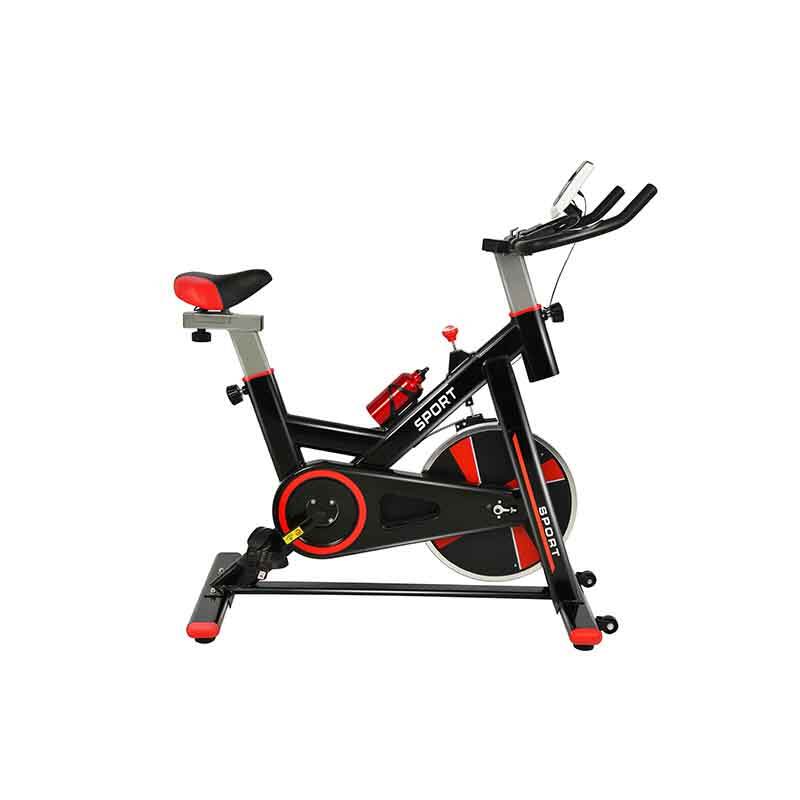
Understanding the Cardiovascular Benefits of Spinning Bikes
Exercise Bike Benefits for Cardiovascular Health
Spinning bikes offer a gentle form of cardio that gets the heart pumping regularly while boosting how much oxygen reaches the muscles. Research from Medicina in 2019 indicates that people who ride these machines on a regular basis often see their VO2 max jump anywhere between 12 to 15 percent. That's basically the gold standard for measuring how good someone is at using oxygen during exercise. When someone keeps up this kind of workout routine, it actually makes the heart stronger over time. Blood pressure tends to drop when at rest too. Plus, blood moves through the body more efficiently after consistent training. All these things together make a real difference in cutting down the chances of developing heart problems later on.
Improving Heart and Lung Efficiency Through Indoor Cycling
When someone gets on an indoor bike, they're not just working their legs but also putting their heart and lungs through their paces with all those resistance changes. Some research shows that regular riders actually boost their stroke volume, which is basically how much blood the heart pumps each beat, sometimes by as much as 22%. Looking at data from last year's studies, people who spent around two and a half hours on the bike each week saw their lung capacity jump about 18%. That means their bodies can take in more oxygen while exercising. And interestingly enough, clinical tests have shown that all these physiological changes help cyclists bounce back quicker after tough workouts. We're talking about recovery times that are roughly 24% faster than folks who don't ride regularly.
Clinical Evidence Supporting Spinning Bikes for Heart Health
Research published in peer-reviewed journals supports the effectiveness of stationary bikes for heart health improvements. When Harvard Medical School looked at data from around 45,000 people, they found something interesting: those who rode their exercise bikes four times per week reduced their chances of developing coronary artery disease by about 31%. Looking at broader population trends through the National Health Interview Survey shows similar benefits too. People who stick with indoor cycling regularly tend to get diagnosed with high blood pressure 14% less often compared to folks who don't cycle much at all. And there's more good news from large scale studies showing that after just six months of regular spinning sessions, riders typically see actual decreases in bad cholesterol levels (LDL) and even less buildup of plaque inside arteries over time.
Designing Effective Spinning Bike Workouts for Cardio Fitness
Spin bike workout routines: Structuring for maximum impact
Spinning classes that mix steady cardio work with short bursts of intense effort really boost heart health over time. Recent research from 2023 showed something interesting too riders who added interval training to their regular routine three times a week saw their VO2 max jump by around 12% after just eight weeks. Want to get the most out of these workouts? Try alternating between longer climbs at higher resistance for about 2 to 4 minutes while keeping pedal speed between 70 and 80 RPM, then switch gears completely for quick 1 minute sprints where RPMs go well over 100. This kind of varied approach keeps things challenging and effective.
Optimal workout duration and frequency for heart health
According to the American College of Sports Medicine, spinning on a stationary bike for 30 to 45 minutes three to five days a week can help reach the recommended 150 minutes of exercise needed for better cardiovascular health. For those just starting out, it's best to focus on showing up regularly rather than pushing too hard right away. A good goal might be 20 minute sessions where the heart rate stays around 60 to 70% of maximum. More experienced riders looking to boost their performance often go for longer workouts lasting about an hour. These extended sessions seem to make a real difference in how much blood the left side of the heart pumps with each beat, something recent studies from 2022 show improves by roughly 9% in regular participants.
Tailoring exercise bike routines by fitness level
- Novices: 15-minute rides with 1:3 work-to-rest interval ratios twice weekly
- Intermediate: 30-minute pyramid intervals (30s sprint / 90s recovery)
- Advanced: 45-minute threshold sessions at 85–90% max heart rate
A 2023 study showed tailored programs reduce dropout rates by 27% compared to generic workouts.
Warm-up, intervals, and cool-down: A complete session framework
Dynamic warm-ups (5–10 minutes of light pedaling with shoulder rolls) prepare joints for high-intensity work while reducing injury risk by 33%. Follow a 3:1 interval-to-recovery ratio during main efforts, concluding with 8–10 minutes of gradual cooldown and quad stretches. This phased approach increases caloric burn efficiency by 18% compared to unstructured sessions.
Maximizing Cardio Gains with Interval Training on a Spinning Bike
Why Interval Training Boosts Cardiovascular Improvement
What makes interval training so effective is how it switches between intense efforts and rest periods. When someone pushes hard during those sprint intervals, their heart rate jumps up to around 85-95% of maximum, then drops back down during recovery. Over time, this pattern helps boost cardiac output significantly compared to just keeping a steady pace all through a workout. Research from the American College of Sports Medicine suggests improvements can reach as much as 20%. And real world results back this up too. A recent study published in the Journal of Cardiopulmonary Rehabilitation looked at people using stationary bikes and found that adding intervals to their routine actually brought down resting heart rates by about 12 beats per minute after only eight weeks of consistent training. That kind of change points to better overall heart function and improved circulation throughout the body.
Effective HIIT Protocols: Tabata, 30-20-10, and More
Popular protocols like the Tabata method (20-second sprints/10-second rests × 8 rounds) and 30-20-10 intervals (30s moderate, 20s fast, 10s sprint) leverage time-based intensity shifts. The 30-20-10 method alternates cadence zones to spike calorie burn while keeping joints protected—ideal for spinning bike terrain simulation.
| Protocol | Intensity Ratio | Total Time | Calorie Burn* |
|---|---|---|---|
| Tabata | 2:1 | 4 minutes | 75–100 kcal |
| 30-20-10 | 3:2:1 | 20 minutes | 300–350 kcal |
| Pyramid Intervals | Variable | 30 minutes | 400–450 kcal |
| *Estimates for 160 lb rider |
Building Endurance and Aerobic Capacity With Spin Intervals
Repeated high-cadence intervals (≥90 RPM) increase mitochondrial density in leg muscles, enhancing oxygen utilization. Cyclists who performed 6×3-minute spin intervals 3x/week improved their VO2 max by 18% in a 2023 European Journal of Applied Physiology trial. Pairing these efforts with longer tempo rides (70–80% max HR) creates a balanced aerobic base.
Avoiding Plateaus With Varied Interval Workouts
Rotate protocols every 3–4 weeks to prevent adaptation. For example, alternate between power-based intervals (focusing on wattage thresholds) and time-based sessions. A 2024 meta-analysis showed cyclists who diversified intervals sustained 22% greater performance gains over 6 months compared to static routines.
Optimizing Intensity, Resistance, and Form for Better Results
Balancing Cadence and Resistance for Aerobic Capacity
Getting better heart health from spinning involves finding the right mix between how fast the pedals turn (cadence in RPMs) and how much resistance is applied. Research indicates that keeping around 80 to 110 RPMs with moderate resistance levels helps maximize oxygen intake during workouts. Some clinical studies have even found that sticking to this range can boost VO2 max by roughly 12 to 18 percent after about eight weeks of consistent training. When riders crank up the resistance, they're working on building muscle stamina. On the flip side, pedaling faster puts more demand on the lungs and heart. The best results usually come from mixing these approaches throughout different parts of the workout session.
Adjusting Spinning Bike Intensity to Meet Cardio Goals
Tailor sessions using these benchmarks:
| Goal | Resistance | Cadence | Duration |
|---|---|---|---|
| Base Endurance | 40–50% | 90–100 | 30+ min |
| Fat Burn | 60–70% | 70–80 | 20–25 min |
| Peak Performance | 75–85% | 60–70 | 4×8-min intervals |
Proper Form and Bike Positioning to Prevent Injury and Boost Engagement
Research from Better Health Victoria (2023) confirms improper alignment during indoor cycling increases injury risk by 27%. Key adjustments:
- Seat height at hip level when standing beside bike
- Handlebar reach allowing slight elbow bend
- Core engaged throughout pedal stroke
Measuring Training Intensity Using Power, Cadence, and Heart Rate
Heart rate zones provide real-time feedback:
- Zone 2 (60–70% max HR): Foundation building
- Zone 4 (80–90%): Interval intensity
Pair with power meters (target 2–3.5 W/kg) and cadence sensors for precision. Users tracking all three metrics see 31% faster cardio progress according to cycling performance studies.
Tracking Progress and Long-Term Cardiovascular Benefits
Monitoring Key Metrics: Speed, Distance, Power, and Heart Rate Zones
Today's indoor cycling equipment lets riders keep tabs on several key performance indicators during workouts. Most modern spin bikes can measure how fast someone is pedaling (in revolutions per minute), total distance traveled, actual power generated in watts, and how long they stay within their ideal heart rate range. Staying around 70 to 85 percent of one's max heart rate for at least half an hour each session really helps boost cardiovascular endurance. Looking at power numbers also tells if the resistance settings match what someone wants to accomplish in their training. Research from Calcium Health published last year found that cyclists who monitored all these stats saw about 40 percent better improvement in their VO2 max after six months compared to those who didn't bother tracking anything.
Using Performance Feedback to Refine Spinning Workouts
Analyze weekly data to:
- Identify plateaus in average power output
- Assess heart rate recovery speed between intervals
- Adjust workout duration based on zone distribution
This evidence-based approach helps progressively overload cardiovascular systems without overtraining.
Long-Term Benefits: How Indoor Cycling Reduces Cardiovascular Disease Risk
People who regularly ride stationary bikes tend to see their systolic blood pressure drop between 5 and 8 mmHg while also experiencing less arterial stiffness, which are big red flags for heart problems down the road. Research from 2022 found that folks spending about 150 minutes each week on moderate intensity cycling had roughly 34 percent fewer cardiovascular incidents compared to those who didn't cycle much at all, and this kind of protection is similar to what people get from taking statins according to University Hospitals. Looking at longer term effects, after one full year of consistent cycling, many participants noticed their bad cholesterol levels went down by around 11.3 mg per deciliter, something that makes a real difference in overall health outcomes.
Metabolic Advantages: Calorie Burn and Improved Cardiorespiratory Efficiency
A 155-lb rider burns 520–560 calories during a 45-minute HIIT spin session—19% more than stationary biking at steady pace. This metabolic boost persists for 14–18 hours post-workout. Combined with enhanced oxygen utilization, regular sessions improve cardio-respiratory efficiency by 21% in 10 weeks, per exercise physiology models.
FAQ
Why are spinning bikes beneficial for cardiovascular health?
Spinning bikes offer a cardio workout that strengthens the heart, reduces blood pressure, and improves the efficiency of blood flow. Regular use increases the body's VO2 max, enhancing oxygen utilization during exercise.
How does interval training on a spinning bike improve cardio fitness?
Interval training alternates between high-intensity efforts and rest, significantly boosting cardiac output and lowering resting heart rates. Over time, it enhances overall heart function and circulation, leading to better cardiovascular health.
What is the recommended frequency for spinning workouts to improve heart health?
For optimal heart health, the American College of Sports Medicine recommends 30 to 45-minute sessions on a stationary bike, three to five days a week, totaling around 150 minutes of exercise weekly.
How can spinning workouts be customized based on fitness levels?
Workouts can be tailored for novices with short rides and rest intervals, while intermediates can perform longer interval sessions, and advanced riders engage in threshold workouts at higher heart rates.
What are the long-term cardiovascular benefits of using spinning bikes?
Long-term use of spinning bikes can lead to reduced systolic blood pressure, lower arterial stiffness, fewer cardiovascular incidents, and decreased bad cholesterol levels, greatly reducing the risk of heart disease.
Table of Contents
- Understanding the Cardiovascular Benefits of Spinning Bikes
- Designing Effective Spinning Bike Workouts for Cardio Fitness
- Maximizing Cardio Gains with Interval Training on a Spinning Bike
- Optimizing Intensity, Resistance, and Form for Better Results
- Tracking Progress and Long-Term Cardiovascular Benefits
-
FAQ
- Why are spinning bikes beneficial for cardiovascular health?
- How does interval training on a spinning bike improve cardio fitness?
- What is the recommended frequency for spinning workouts to improve heart health?
- How can spinning workouts be customized based on fitness levels?
- What are the long-term cardiovascular benefits of using spinning bikes?